How to Select Ceramic Tower Packing for Acid Recovery and Corrosive Chemical Processes

Which Activated Carbon Is Best for Industrial Water Treatment and VOC Removal?
July 13, 2026
Best Tower Packing Materials for Chemical, Fertilizer, Petrochemical, and Refinery Plants
July 19, 2026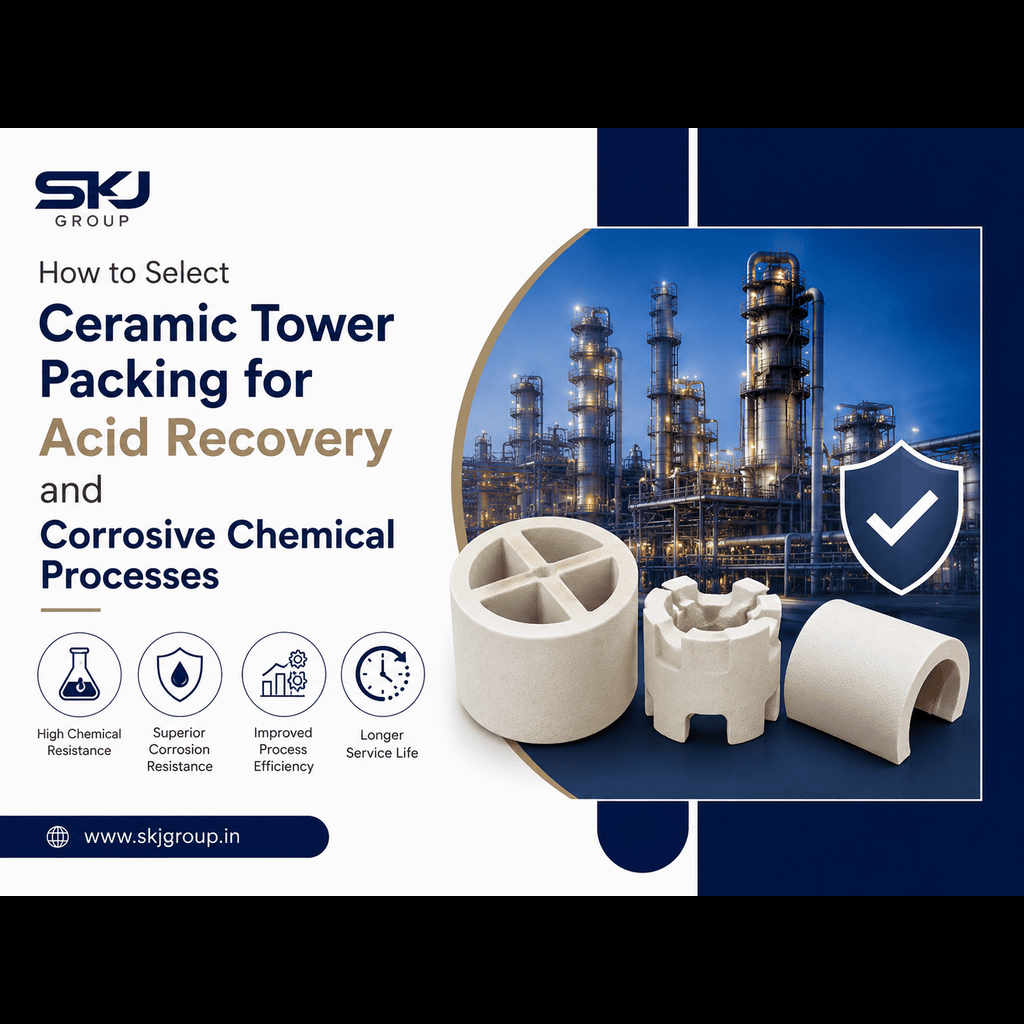
Acid recovery units are unforgiving. The moment you use packing material that cannot handle sustained chemical attack, you start losing efficiency, dealing with more frequent shutdowns, and replacing components far sooner than planned. This is exactly why so many plant engineers turn to ceramic tower packing for these applications. It is one of the few materials that can sit inside a column filled with hot, corrosive vapour or acidic liquid for years without breaking down.
This article walks through what makes ceramic packing suitable for acid recovery, how to choose between the different shapes available, and what to look for before placing an order.
Why Corrosive Processes Need a Different Kind of Packing
Metal packing corrodes. Plastic packing softens or degrades under heat and strong acids. Ceramic, on the other hand, is chemically inert to almost everything except hydrofluoric acid and strong alkalis at high concentration, which makes it the default choice for:
- Sulphuric acid concentration and recovery towers
- Hydrochloric acid absorption columns
- Nitric acid production units
- Flue gas desulphurization systems
- Any column handling hot, wet, corrosive gas streams
Because ceramic does not react with the process fluid, it holds its shape and surface area over years of continuous operation, which keeps mass transfer efficiency stable instead of gradually declining.
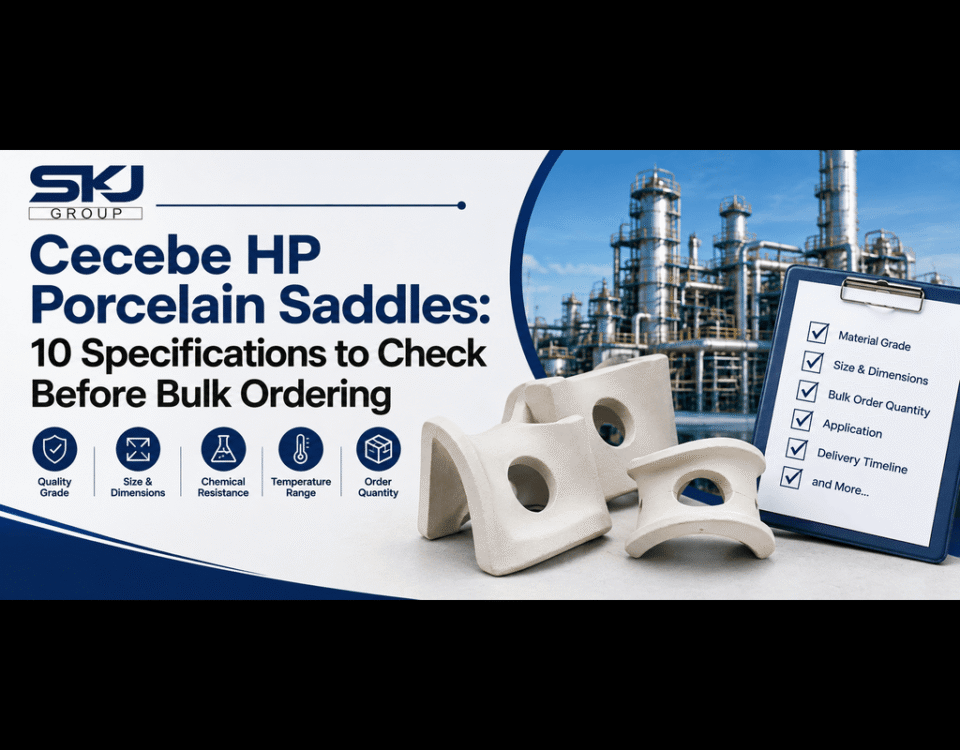
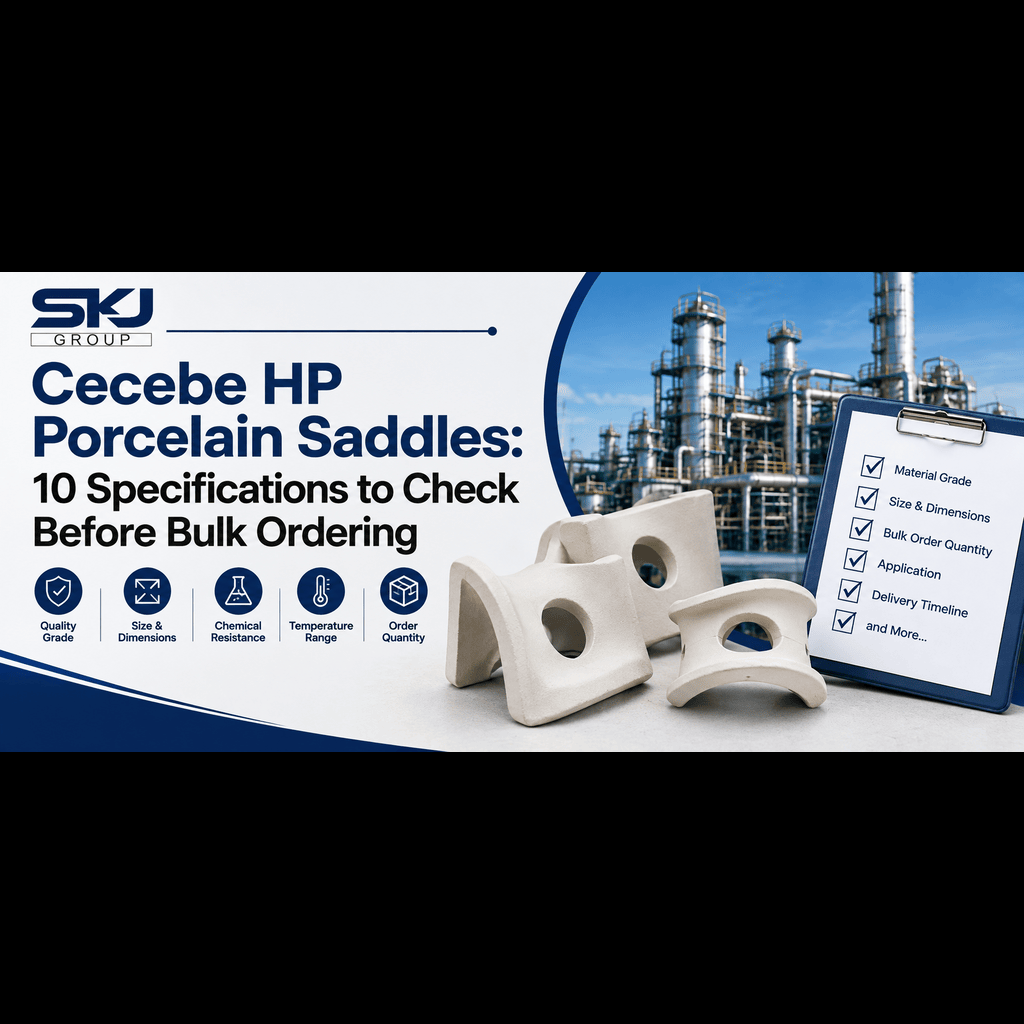
Ceramic Saddle Packing vs Ceramic Rings: Which One Fits Your Column
Both shapes are widely used, but they are not interchangeable. Choosing correctly makes a real difference to pressure drop and separation efficiency.
Ceramic saddle packing works well when:
- You need a high void volume with minimal pressure drop
- The tower handles both gas and liquid loads that vary through the day
- Random orientation packing is acceptable, since saddles settle naturally into an open bed structure
- The application involves absorption or stripping where consistent liquid film distribution matters
Ceramic rings work better when:
- You need higher mechanical strength to support heavier packed bed depths
- The tower operates at higher pressure or with denser liquid loads
- You want a more standardized packing geometry for predictable hydraulic performance
Many acid recovery towers use a combination of ceramic saddles and ceramic rings to optimize performance. Saddles are often installed in the upper sections to enhance mass transfer with lower pressure drop, while rings are used in lower sections where higher mechanical strength is required. If you’re evaluating packing options, explore why ceramic saddles excel in high-temperature and corrosive applications before finalizing your tower design.
What to Check Before Choosing a Supplier
Not all ceramic packing performs the same, even when it looks identical. Before you finalize an order, check the following:
- Chemical composition: Alumina content should be verified, since higher alumina generally means better acid resistance and mechanical strength.
- Thermal shock rating: Acid recovery towers often see temperature swings during startup and shutdown, so the packing needs to survive rapid heating and cooling without cracking.
- Bulk density and void fraction: These numbers directly affect pressure drop and how much liquid the bed can hold.
- Dimensional consistency: Uneven sizing leads to channeling inside the tower, which reduces contact efficiency.
- Firing quality: Poorly fired ceramic tends to be porous and absorbs acid over time, which weakens it structurally.
Working with experienced ceramic ring manufacturers who test batches for these properties before dispatch saves a lot of trouble later, especially for towers that cannot be shut down easily for maintenance.
A Simple Way to Decide
If you are still weighing your options, here is a quick way to think it through:
- High acid concentration, moderate pressure → Ceramic saddle packing
- Heavy packed bed, higher mechanical load → Ceramic rings
- Frequent thermal cycling → Prioritize thermal shock rated ceramic over standard grades
- Long term unattended operation → Choose denser, higher alumina content packing even if it costs more upfront
Getting the shape and grade right at the design stage avoids costly retrofits once the tower is already in operation.
Why the Manufacturing Process Matters
Two batches of ceramic packing can look the same and still perform very differently, depending on how they were fired and cured. SKJ Group manufactures its ceramic tower packing with controlled firing schedules and consistent raw material sourcing, which is what gives the packing its long service life in acid recovery and corrosive gas applications. This kind of process control is something worth asking about directly when you are comparing suppliers, since it rarely shows up on a datasheet.
FAQs
1. What type of ceramic packing is best for sulphuric acid recovery towers?
High alumina ceramic saddle packing is typically preferred for sulphuric acid recovery because it offers strong chemical resistance along with low pressure drop across varying gas and liquid loads.
2. Can ceramic tower packing handle hydrofluoric acid?
No. Ceramic packing performs poorly against hydrofluoric acid since it attacks the silica content in most ceramic materials. Specialized fluoropolymer or PTFE lined packing is usually recommended instead.
3. How long does ceramic packing typically last in a corrosive process column?
With proper installation and correct grade selection, ceramic packing commonly lasts anywhere from five to ten years or longer in acid recovery service, far outlasting metal packing in the same conditions.
4. What is the difference between ceramic saddles and ceramic rings in terms of performance?
Saddles generally offer lower pressure drop and better liquid distribution at random orientation, while rings provide higher mechanical strength for deeper packed beds and heavier loads.
5. How do I know if my current packing needs replacement?
Rising pressure drop, reduced separation efficiency, or visible pitting and erosion during a shutdown inspection are the clearest signs that packing has reached the end of its service life.
Final Thoughts
Selecting the right ceramic packing for acid recovery is not just about picking a shape from a catalog. It comes down to matching the material grade, geometry, and manufacturing quality to your specific process conditions. Get this right, and your tower runs efficiently for years with minimal intervention.
If you are planning a new acid recovery column or need to replace ageing packing, our team at SKJ Group can help you select the right grade and shape based on your tower specifications. Reach out to us for a technical recommendation suited to your process.