Powdered vs Granular Wood-Based Activated Carbon: Which One Does Your Plant Need?

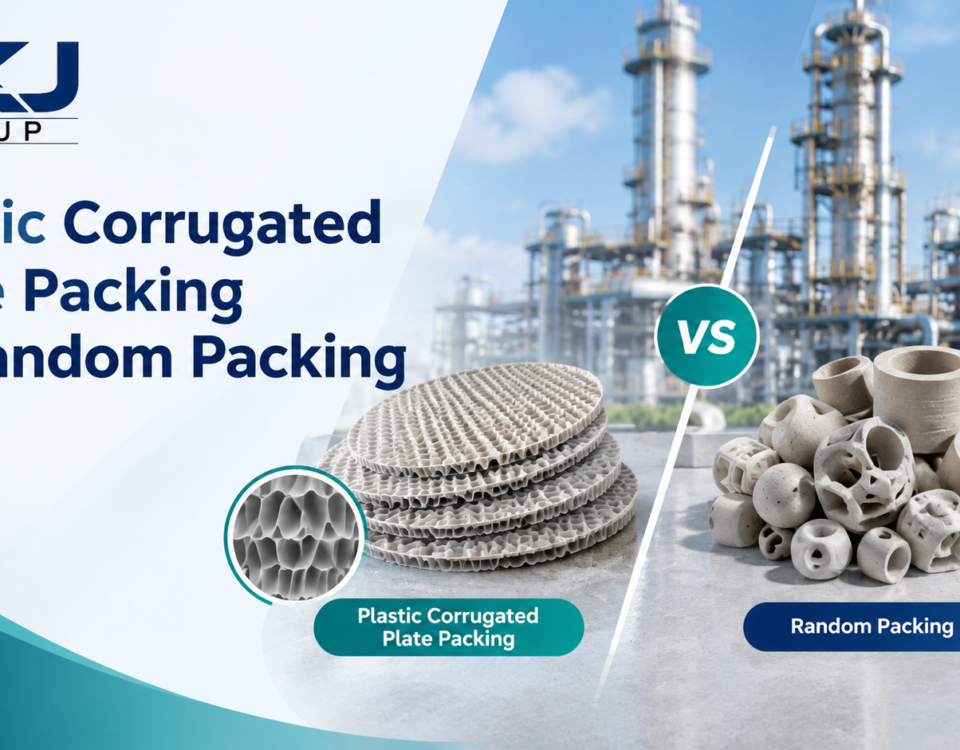
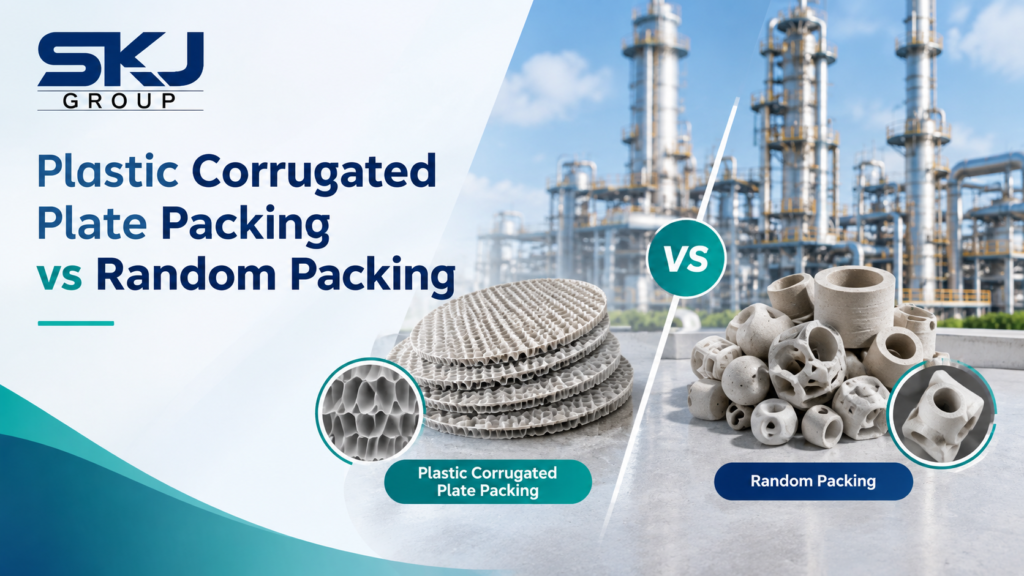
Plastic Corrugated Plate Packing vs Random Packing: Key Differences, Uses and Selection Guide
September 16, 2026
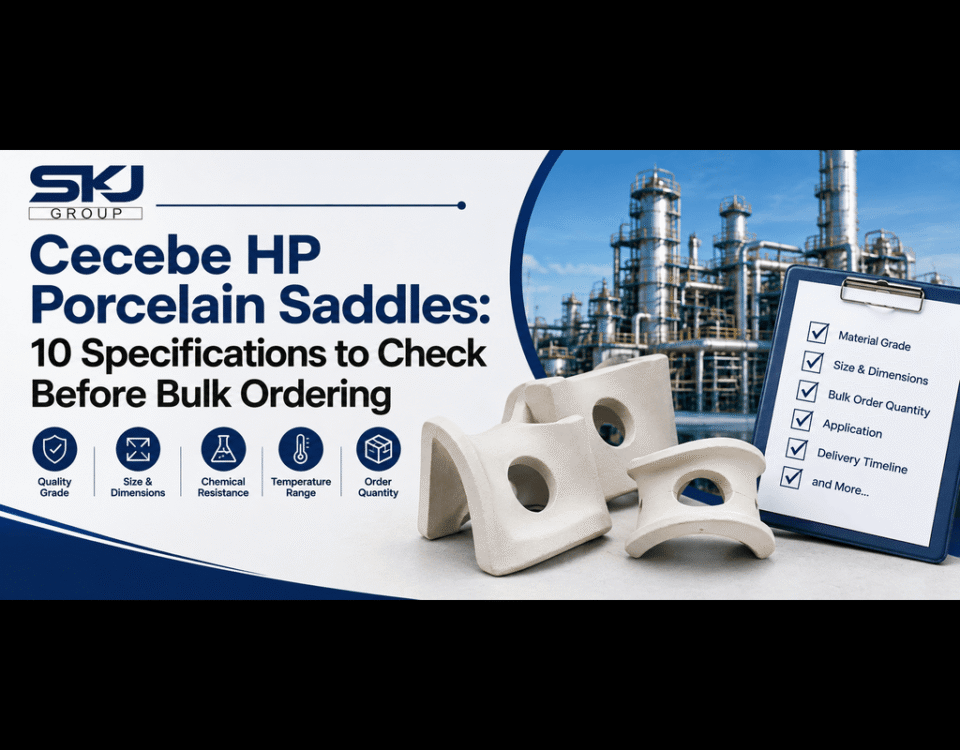
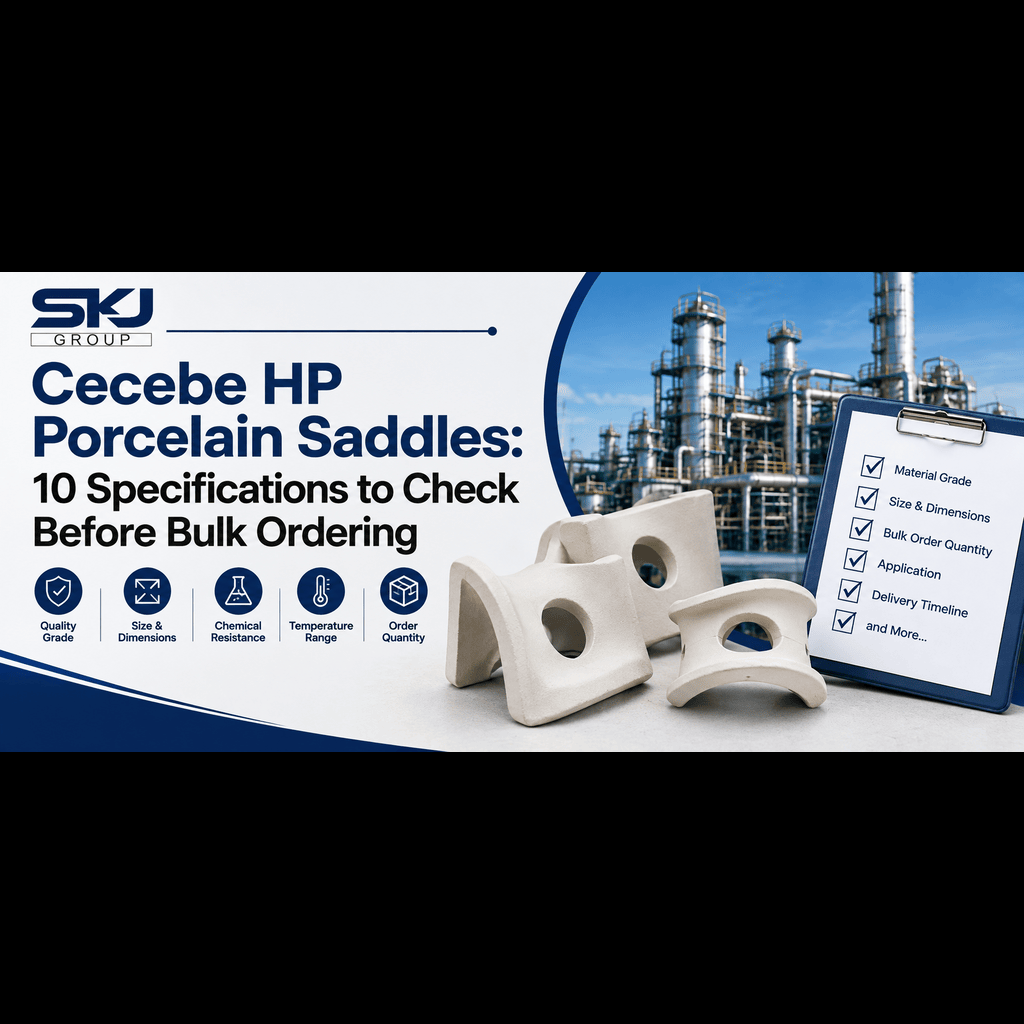
Cecebe HP Porcelain Saddles: 10 Specifications to Check Before Bulk Ordering
September 24, 2026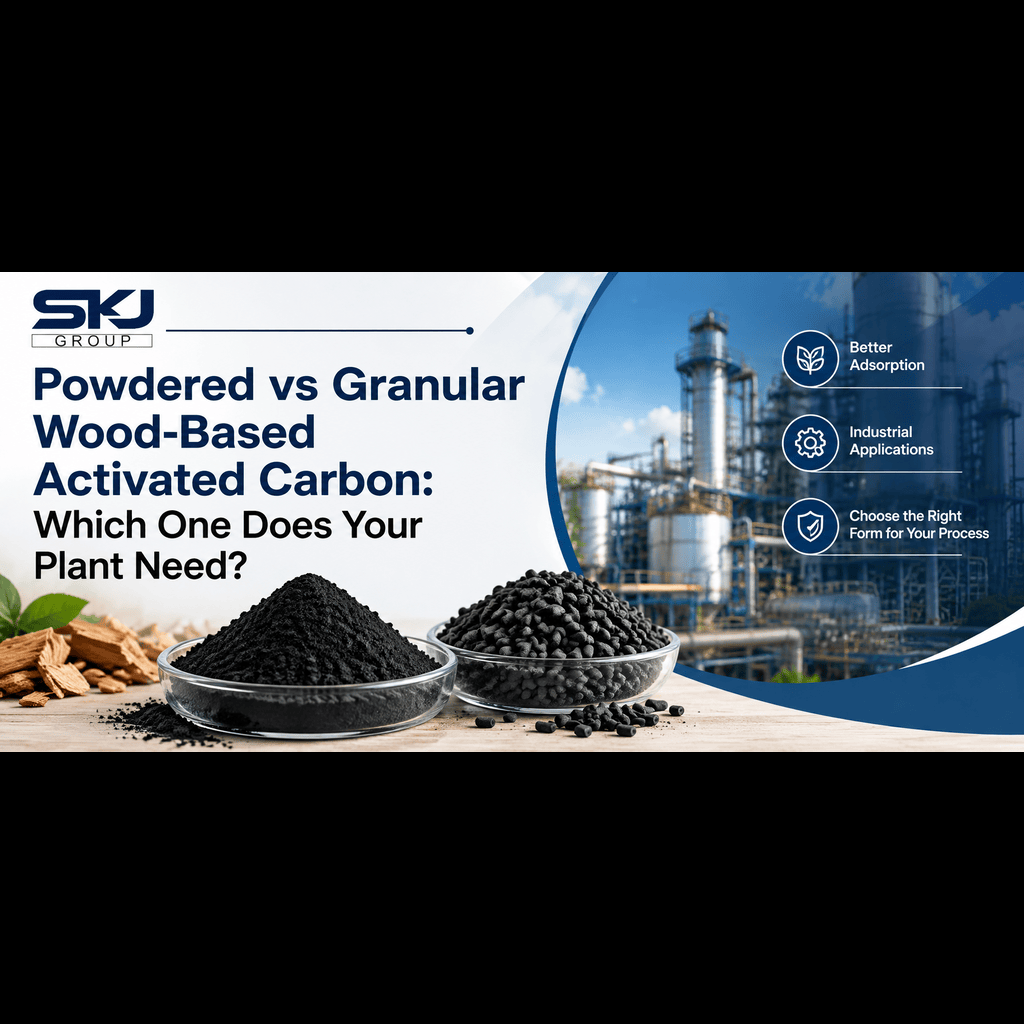
Wood-based activated carbon comes in two forms that solve different problems. Powdered carbon is dosed directly into liquid for fast, one-time contact treatment, then filtered out and discarded. Granular carbon sits in a fixed column bed, treats a continuous flow, and can often be regenerated and reused. If your process treats liquid in batches, powder usually wins. If it runs continuously through a column, granular usually wins.
This Isn’t the Same Question as Pellet vs Granular
It’s easy to assume every activated carbon comparison comes down to the same logic. It doesn’t. Pellet versus granular is mostly about shape, uniform cylinders against irregular pieces, and how that shape affects airflow in a gas system.
Powdered vs granular wood-based activated carbon is a different question entirely. It’s about particle size and how the carbon gets used, not the shape of the particle. Powder particles run under 1mm, small enough to disperse through liquid almost instantly. Granular particles are coarser, built to sit still inside a bed while gas or liquid passes through them.
One Gets Used Once. One Gets Reused.
- Powder is used once, then removed. It’s mixed into water, given contact time, and filtered out along with whatever it adsorbed.
- Granular stays in place. It’s loaded into a column and treated as reusable equipment, not a single-use dose.
- Powder reacts faster. Its huge surface-to-volume ratio means contaminants get adsorbed almost as soon as the carbon touches the liquid.
- Granular handles continuous flow better. A fixed bed can run for months without needing to be replaced or refilled.
➜ Not sure which form fits your process? Get a free technical recommendation
When Powder Is Actually the Smarter Choice
Powdered wood-based carbon earns its place in situations where speed and flexibility matter more than reusability.
- Emergency or seasonal water treatment. Municipal plants dose powdered carbon during algae blooms or contamination events without installing permanent equipment.
- Batch decolorization. Sugar refining, edible oil processing, and pharmaceutical intermediate purification use powder because it’s mixed in, does its job, and gets filtered out in one pass.
- Low-volume or intermittent treatment. If you don’t need carbon running constantly, buying and dosing powder as needed avoids the capital cost of a column system.
- Fine control over dosage. Operators can adjust exactly how much carbon goes into each batch based on contamination levels that day.
A reliable Wood Based Powdered Activated Carbon manufacturer will supply consistent particle sizing across every batch, since inconsistent grinding is the most common cause of uneven dosing results in this application.
When Granular Earns Its Higher Price Tag
Granular wood-based carbon is built for processes that run continuously and need equipment, not a one-time additive.
- Continuous water and wastewater treatment. Fixed beds treat a constant flow without needing to dose and filter every batch separately.
- Gas-phase purification. Larger granule size allows faster diffusion through the bed at gas flow rates, which is part of why granular is generally preferred over powder for gas treatment.
- Solvent and vapor recovery. Systems that regenerate and reuse the carbon rely on granular form, since powder can’t be practically regenerated in place.
- Long-term operational cost control. A well-maintained granular bed can run for months between changeouts, spreading cost over a much longer service life than repeated powder dosing.
Four Questions That Settle This Fast
- Is your process a one-time batch treatment or a continuous flow? Batch points to powder, continuous points to granular.
- Do you need to filter the carbon out afterward, or can it stay in a fixed bed? If filtering out isn’t practical, granular is the only real option.
- Is speed of contact more important than long-term reuse? Powder acts faster per dose. Granular lasts longer per rupee spent.
- Are you treating gas or liquid? Granular is generally the stronger fit for gas-phase work, given its faster diffusion rate at typical flow speeds.
Sourcing from an established Wood Based Granular Activated Carbon supplier rather than a reseller matters most at this stage, since the right technical guidance here saves a redesign later if the wrong form gets specified upfront.
What Separates Good Carbon From Bad, Whatever the Form
Not every batch performs the same, and a few figures matter more than the marketing copy around them.
- Iodine number, the real indicator of adsorption capacity
- Ash content, since wood-based carbon’s main selling point is purity, high ash undermines that advantage
- Particle size distribution, especially for powder, where inconsistent grinding creates uneven dosing results
- Moisture content on delivery, which affects both weight-based pricing and immediate performance
If a quote comes back with price alone and no technical sheet behind it, that’s a signal to look elsewhere before committing to volume.
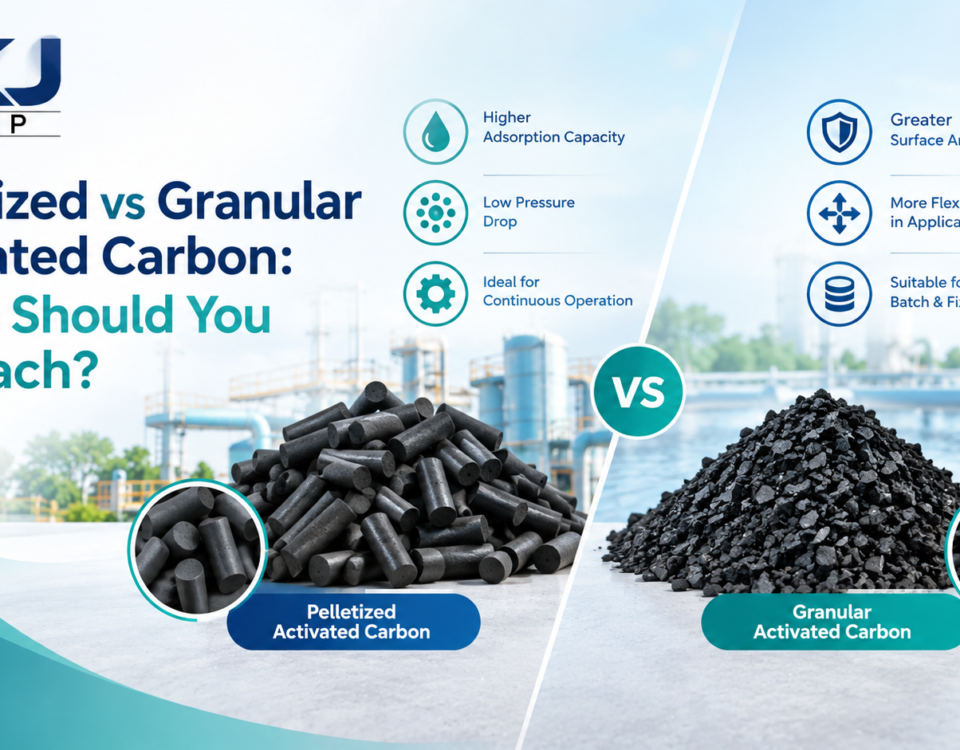
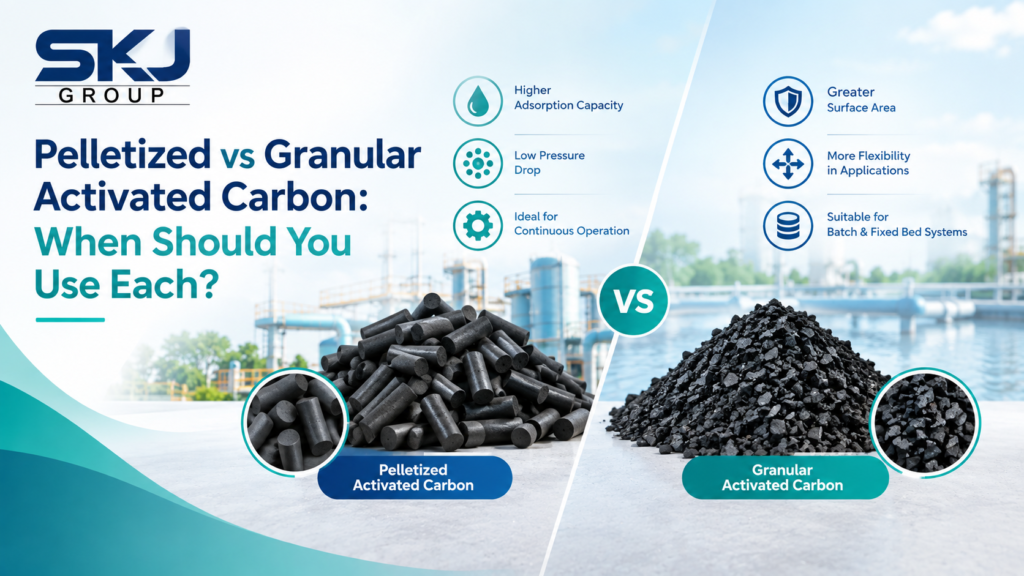
If you’re also weighing this against a completely different physical form, our guide on pelletized versus granular activated carbon breaks down that separate comparison in more depth.
Why Wood Is the Source Buyers Ask for By Name
Wood-based carbon is prized above coal or coconut shell sources for one main reason: purity. Its naturally high macroporosity makes it especially effective at decolorization and removing organic compounds without introducing the ash and mineral content that lower-grade sources carry. That’s why food, beverage, and pharmaceutical buyers specifically request wood-based material rather than accepting whatever carbon type is cheapest at the time.
A genuine Wood Based Granular Activated Carbon manufacturer controls its own carbonization and activation process rather than reselling mixed-source material, which is exactly why purity is easiest to verify at the source and hardest to confirm once it’s changed hands twice.
Sourcing Internationally? Landed Cost Tells the Real Story
Purity claims are easy to make and hard to verify from a spec sheet alone, which is exactly where a reseller has room to misrepresent what’s actually in the bag. This is why working directly with the source matters more here than in most commodity purchases.
For buyers sourcing internationally, Wood Based Granular Activated Carbon exporters who provide full documentation, certificates of analysis, and consistent container loading save real time at customs and reduce the risk of a shipment held up on arrival.
Domestic buyers comparing Wood Based Powdered Activated Carbon in India against imported alternatives should factor in freight and lead time as carefully as per-kilogram price, since total landed cost often tells a different story than the quoted rate alone.
Frequently Asked Questions
1. What is the main difference between powdered and granular activated carbon?
Powdered carbon is used once in liquid treatment and then filtered out, while granular carbon sits in a fixed bed and treats continuous flow, often for months before replacement.
2. Which form is better for water treatment?
It depends on how the water is treated. Batch or emergency treatment favors powder, while continuous municipal or industrial water treatment favors granular carbon in a fixed bed.
3. Can granular activated carbon be regenerated and reused?
Yes. Granular carbon is commonly regenerated thermally and reused across multiple cycles, which powdered carbon cannot practically do once it’s mixed into liquid and filtered out.
4. Why is wood-based activated carbon preferred for decolorization?
Its high purity and macroporous structure adsorb color compounds effectively without introducing the ash content that lower-purity carbon sources carry.
5. Is powdered activated carbon cheaper than granular?
Per kilogram, pricing is often similar, but total cost depends on application. Granular’s long service life in continuous use frequently works out cheaper over time despite similar unit pricing.
6. How do I know which particle size my plant actually needs?
Match the decision to your process type first, batch or continuous, then confirm with your supplier based on your flow rate and required contact time.
Get the Right Form for Your Plant
Choosing the wrong form doesn’t just waste carbon, it can mean redesigning part of your treatment process to work around it. If you’re specifying wood-based carbon for a new system or comparing suppliers on a current one, SKJ Group can help match the right form, grade, and purity level to your actual process.
➜ Request a Quote and Technical Datasheet and our team will walk you through options suited to your plant.