Wood Based Granular Activated Carbon for Liquid Purification

13X Molecular Sieve for Gas Drying and Air Separation: Complete Industrial Guide
January 14, 2026
Metal Wire Gauze Structured Packing for Precision Separation: Complete Industrial Guide
January 24, 2026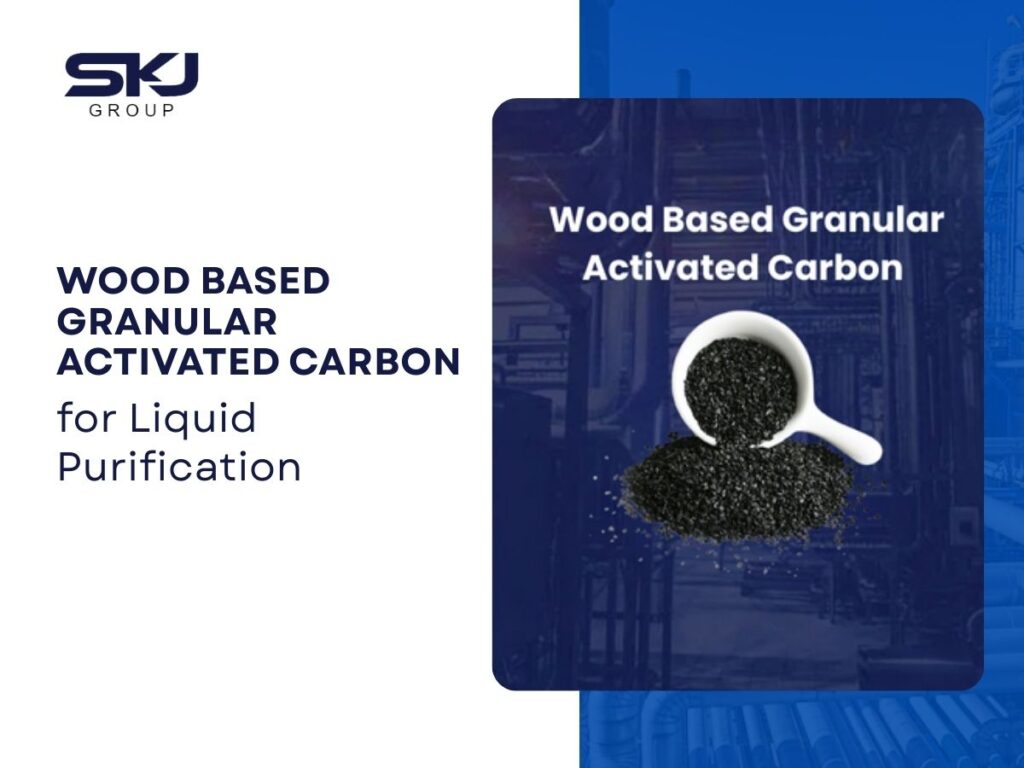
A pharmaceutical manufacturing facility in Hyderabad reduced organic contaminants in their process water by 98.7% after implementing wood based granular activated carbon filtration systems in 2024. This case study highlights how granular activated carbon GAC derived from sustainable wood sources delivers exceptional purification performance while meeting stringent quality standards.
Industrial liquid purification demands reliable, efficient, and cost-effective solutions for removing organic compounds, taste, odor, and color from water and wastewater streams. Wood based granular activated carbon has emerged as the preferred choice for diverse applications requiring high adsorption capacity and consistent performance.
This comprehensive guide explores how wood based granular activated carbon for water treatment plants delivers superior results in potable water production, wastewater treatment, and industrial process applications. Understanding the unique properties of this porous carbon adsorbent enables informed decisions for optimizing your liquid purification systems.
What is Wood Based Granular Activated Carbon?
Wood based granular activated carbon is a highly porous carbon adsorbent produced through controlled carbonization and activation of hardwood materials including coconut shells, bamboo, and various wood species. The activation process creates an extensive internal pore structure with surface areas ranging from 800 to 1500 m²/g.
The term granular activated carbon GAC refers to carbon particles ranging from 0.5 to 4.0mm in diameter. This particle size distribution provides optimal balance between adsorption kinetics, pressure drop, and mechanical durability in fixed-bed filtration applications.
Wood charcoal activated carbon differs from coal-based alternatives through its micropore-dominant structure, lower ash content, and superior performance in removing small organic molecules. These characteristics make wood-based materials particularly effective for pharmaceutical, food and beverage, and potable water applications.
Key Properties of High Quality Wood Activated Carbon
1. Superior Adsorption Capacity
High iodine value activated carbon from wood sources typically exhibits iodine numbers ranging from 900 to 1200 mg/g, indicating exceptional micropore development. This high adsorption capacity enables effective removal of low molecular weight organic compounds including pesticides, pharmaceuticals, and industrial chemicals.
The microporous structure preferentially adsorbs small molecules while the mesopore network facilitates rapid mass transfer. This dual-pore system ensures both high capacity and fast adsorption kinetics.
2. Physical and Chemical Characteristics
Quality wood based granular activated carbon demonstrates essential physical properties:
- Particle density: 400-500 kg/m³
- Apparent density: 450-550 kg/m³
- Hardness number: minimum 95%
- Moisture content: maximum 5%
- Ash content: typically 2-6%
The low ash content of wood-based materials reduces mineral leaching into purified liquids. This purity advantage proves critical in pharmaceutical and food-grade applications requiring minimal contamination.
3. Chemical Resistance and pH Stability
Wood activated carbon maintains structural integrity across pH ranges from 2 to 12, enabling application in acidic and alkaline process streams. The carbon surface chemistry can be modified through oxidation or reduction treatments to enhance specific adsorption characteristics.
Surface functional groups including carboxyl, hydroxyl, and carbonyl moieties influence adsorption selectivity for various contaminants. Tailored surface chemistry optimizes performance for specific liquid purification applications.
Applications of Wood Based Granular Activated Carbon
1. Municipal Water Treatment
Wood based granular activated carbon for water treatment plants removes organic compounds responsible for taste, odor, and disinfection byproduct formation. The adsorbent effectively captures:
- Trihalomethanes (THMs) and haloacetic acids (HAAs)
- Pesticides and herbicides
- Pharmaceutical residues
- Algal metabolites causing taste and odor
- Natural organic matter (NOM)
Municipal applications typically employ contactor vessels or rapid gravity filters with granular activated carbon GAC media. Contact times ranging from 10 to 30 minutes ensure adequate contaminant removal while maintaining practical flow rates.
2. Industrial Wastewater Treatment
Wood based GAC for wastewater treatment applications addresses diverse industrial effluent challenges including chemical manufacturing, textile processing, and petroleum refining. The adsorbent removes recalcitrant organic compounds resistant to biological treatment processes.
Integration of granular activated carbon as tertiary treatment achieves discharge permit compliance while enabling water reuse opportunities. This dual benefit reduces both environmental impact and freshwater consumption.
3. Food and Beverage Production
Industrial grade wood based activated carbon for filtration plays essential roles in beverage clarification, sugar decolorization, and edible oil purification. The material’s food-grade purity and effective organic removal ensure product quality and safety.
Applications include:
- Beer and wine clarification
- Soft drink production
- Fruit juice processing
- Vegetable oil refining
- Sweetener purification
Pharmaceutical and Chemical Processing
High adsorption wood based granular activated carbon meets stringent pharmaceutical industry requirements for organic impurity removal from active pharmaceutical ingredients (APIs), intermediates, and process solvents. The material’s low extractables and high purity prevent product contamination.
Chemical manufacturing utilizes wood activated carbon for solvent recovery, catalyst removal, and product purification. The adsorbent’s regenerability reduces operating costs in continuous processes with high carbon consumption.
Technical Specifications and Quality Standards
1. Particle Size Distribution
Granular activated carbon made from hardwood is available in standard mesh sizes optimized for different applications:
- 8×30 mesh (0.6-2.4mm) for rapid filtration systems
- 12×40 mesh (0.4-1.7mm) for balanced performance
- 6×12 mesh (1.7-3.4mm) for low pressure drop requirements
Tight size distribution ensures uniform bed expansion during backwashing and consistent hydraulic performance. Excessive fine content increases pressure drop and causes media loss, while oversized particles reduce accessible surface area.
2. Performance Indicators
Critical quality parameters for wood based granular activated carbon include:
- Iodine number: Measures micropore volume and overall adsorption capacity. Higher values (1000-1200 mg/g) indicate superior small molecule removal.
- Molasses number: Evaluates mesopore and macropore development important for larger molecule adsorption. Typical values range from 200-300.
- Hardness: Indicates mechanical durability and resistance to attrition during backwashing. Minimum acceptable values exceed 95%.
- Ash content: Represents inorganic residue affecting purity and performance. Wood-based carbons typically contain 2-6% ash versus 8-15% for coal-based materials.
SJK India: Leading Wood Based Granular Manufacturer
As a premier wood based granular manufacturer in India, SJK India produces high-performance activated carbon from sustainably sourced hardwood materials. Our advanced manufacturing facilities employ controlled carbonization and steam activation processes ensuring consistent quality and optimal pore structure development.
Our comprehensive role as a wood based granular supplier extends beyond product delivery to encompass technical consultation, application engineering, and performance optimization services. We collaborate closely with clients to select the ideal porous carbon adsorbent grade for their specific liquid purification requirements.
Operating as a global wood based granular exporter, SJK India serves diverse industries including:
- Municipal water utilities
- Industrial wastewater treatment facilities
- Food and beverage manufacturers
- Pharmaceutical companies
- Chemical processors
System Design and Operation Considerations
1. Contactor Configuration
Wood based granular activated carbon for water treatment plants operates in various contactor configurations depending on application requirements:
- Fixed-bed downflow: Standard configuration providing reliable performance with straightforward operation. Requires periodic backwashing to remove accumulated solids and redistribute media.
- Upflow contactors: Minimize headloss accumulation and reduce backwash frequency. Suitable for applications with high suspended solids loading.
- Fluidized bed: Maximize mass transfer rates through continuous media movement. Ideal for high-concentration applications requiring rapid adsorption.
2. Hydraulic Loading and Contact Time
Proper hydraulic design ensures adequate contact time for effective contaminant removal. Typical surface loading rates range from 2 to 10 m/h depending on contaminant characteristics and required removal efficiency.
Empty bed contact time (EBCT) represents a critical design parameter, calculated as media volume divided by flow rate. Minimum EBCT values of 10-15 minutes suit most municipal applications, while industrial processes may require 20-30 minutes.
3. Backwashing and Media Management
Regular backwashing maintains granular activated carbon GAC bed permeability and removes accumulated solids. Backwash rates typically range from 12 to 15 m/h, achieving 25-30% bed expansion.
Surface washing or air scour preceding water backwash enhances cleaning effectiveness. Combined air-water washing breaks up agglomerated particles and improves media redistribution.
Regeneration and Replacement Strategies
1. Thermal Regeneration
Wood activated carbon can be thermally regenerated to restore adsorption capacity when exhausted. The process involves heating spent carbon to 800-900°C in controlled atmosphere furnaces, volatilizing adsorbed organics.
Off-site regeneration services provide cost-effective capacity restoration for large-volume users. Regenerated carbon typically recovers 85-95% of virgin material capacity, extending useful life and reducing replacement costs.
2. Performance Monitoring
Regular monitoring identifies optimal replacement timing before breakthrough compromises treatment objectives:
- Effluent quality testing for target contaminants
- Headloss measurements indicating particulate accumulation
- Adsorption capacity testing using standard methods
- Breakthrough curve analysis
Proactive replacement based on performance trends prevents compliance violations and maintains consistent product quality.
3. Carbon Replacement Economics
Life cycle cost analysis considers virgin carbon cost, regeneration expenses, disposal fees, and performance requirements. Typical replacement cycles range from 2 to 5 years depending on loading rates and contaminant concentrations.
High adsorption wood based granular activated carbon with superior capacity extends service life and reduces replacement frequency. This longevity advantage offsets higher initial material costs through improved lifecycle economics.
Environmental and Sustainability Benefits
1. Renewable Resource Utilization
Wood based granular activated carbon production utilizes renewable hardwood resources including coconut shells, bamboo, and sustainably harvested wood. This renewable sourcing contrasts with coal-based alternatives dependent on non-renewable fossil resources.
Responsible forestry practices and agricultural byproduct utilization support circular economy principles while providing effective water purification solutions.
2. Contaminant Destruction
Thermal regeneration destroys adsorbed organic contaminants through high-temperature oxidation rather than transferring pollutants to alternative waste streams. This destruction capability provides superior environmental protection compared to disposal-intensive treatment methods.
3. Water Conservation
Industrial grade wood based activated carbon for filtration enables water reuse applications, reducing freshwater withdrawal and wastewater discharge. This conservation benefit proves increasingly valuable as water scarcity concerns intensify globally.
Quality Assurance and Certifications
1. International Standards Compliance
SJK India manufactures wood based granular activated carbon meeting international quality standards including:
- AWWA B604 for granular activated carbon
- NSF/ANSI 61 for drinking water system components
- Food Chemicals Codex (FCC) for food-grade applications
- European Pharmacopoeia for pharmaceutical use
Rigorous testing protocols verify compliance with specification requirements. Batch certification provides traceability and quality assurance for critical applications.
2. Testing and Analysis
Comprehensive quality control testing includes:
- Iodine number determination (ASTM D4607)
- Particle size distribution analysis (ASTM D2862)
- Hardness testing (ASTM D3802)
- Ash content measurement (ASTM D2866)
- Moisture content analysis (ASTM D2867)
Third-party laboratory verification ensures independent quality confirmation for demanding applications.
FAQ,s About Wood Based Granula
1. What makes wood based activated carbon superior for water treatment?
Wood based granular activated carbon offers micropore-rich structure, low ash content, and superior small molecule removal compared to coal alternatives.
2. How long does wood based granular activated carbon last in filtration systems?
Service life ranges from 2 to 5 years depending on contaminant loading, with performance monitoring determining optimal replacement timing.
3. Can wood based granular activated carbon be regenerated and reused?
Yes, thermal regeneration at 800-900°C restores 85-95% of original capacity, extending useful life and reducing replacement costs.
4. What is the difference between wood and coal based activated carbon?
Wood activated carbon features micropore-dominant structure, lower ash (2-6% vs 8-15%), and better performance for small organic molecules.
5. How do you select the right mesh size for applications?
Choose 12×40 mesh for standard applications, 8×30 for rapid filtration, and 6×12 for low pressure drop requirements.
6. What contaminants does wood based GAC remove from water effectively?
Granular activated carbon GAC removes organic compounds, chlorine, taste, odor, pesticides, pharmaceuticals, and disinfection byproducts from water streams.
7. How often should wood based activated carbon filters be backwashed?
Backwash every 24-72 hours or when headloss increases 50% above clean bed value to maintain hydraulic performance.
8. What quality certifications should wood based granular suppliers provide?
Verify NSF/ANSI 61 certification, AWWA B604 compliance, batch testing reports, and food-grade or pharmaceutical certifications as required.
Conclusion: Partner with SJK India for Superior Liquid Purification
Wood based granular activated carbon for liquid purification represents the most effective solution for removing organic contaminants, taste, odor, and color from water and wastewater streams. The combination of high adsorption capacity, renewable sourcing, and proven performance makes this high iodine value activated carbon the preferred choice across diverse industries.
As water quality regulations become more stringent and sustainability concerns intensify, investing in premium wood charcoal activated carbon ensures compliance while supporting environmental stewardship.
Contact SJK India
Get Expert Guidance on Wood Based Granular Activated Carbon Solutions
Our technical team is ready to help you select the optimal activated carbon products for your liquid purification needs.