Industrial Flooring Applications of Premium Ceramic Tiles

Using 5A Molecular Sieve in Hydrocarbon Separation Systems
February 14, 2026
3A Molecular Sieve in Ethanol Dehydration Plants
February 19, 2026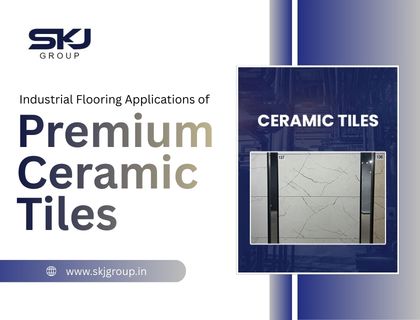
Industrial facilities demand flooring solutions that withstand extreme conditions while maintaining safety and durability over decades of heavy use. Premium ceramic tiles for industrial flooring applications have become the material of choice for manufacturers seeking to balance performance, longevity, and cost-effectiveness. As a trusted ceramic tiles manufacturing company, SJK India understands the critical requirements that differentiate industrial-grade flooring from residential or commercial applications.
Heavy-duty ceramic floor tiles deliver exceptional resistance to impact, chemical exposure, abrasion, and thermal stress that characterize industrial environments. Leading ceramic tiles manufacturers in India produce specialized products engineered specifically for demanding factory, warehouse, and processing facility conditions where flooring failure can halt production and compromise worker safety.
Understanding Industrial Grade Ceramic Tiles
Industrial grade ceramic tiles differ fundamentally from standard residential products in composition, manufacturing process, and performance characteristics. The manufacturing process employs higher firing temperatures, denser clay bodies, and specialized glazing techniques that create superior hardness and chemical resistance.
Ceramic tiles manufacturers produce industrial flooring through a carefully controlled process involving raw material selection, precise mixing, high-pressure pressing, and extended kiln firing at temperatures exceeding 1200°C. This intensive production method creates tile bodies with porosity below 0.5%, virtually eliminating water absorption that causes cracking and deterioration in lesser products.
High durability ceramic flooring achieves its exceptional performance through several key characteristics:
- Mohs hardness ratings of 7-8 resisting scratching and abrasion
- Breaking strength exceeding 2000N accommodating heavy equipment loads
- Chemical resistance to acids, alkalis, solvents, and cleaning agents
- Thermal stability withstanding temperature variations without cracking
- Surface textures providing reliable slip resistance even when wet
Key Industrial Applications
1. Manufacturing Facilities and Production Floors
Best ceramic tiles for high traffic industrial areas prove essential in automotive plants, electronics assembly facilities, and machinery manufacturing operations. Production floors endure constant forklift traffic, material handling equipment, and workers moving throughout multi-shift operations.
Chemical resistant ceramic tiles for factory floors protect against spills, leaks, and process fluids common in manufacturing environments. The non-porous glazed surface prevents chemical penetration that would damage concrete substrates and create safety hazards from deteriorating flooring.
Quality ceramic tiles supplier products maintain appearance and structural integrity despite daily exposure to cutting fluids, hydraulic oils, coolants, and cleaning chemicals that rapidly degrade standard flooring materials.
2. Warehouse and Distribution Centers
Heavy-duty ceramic floor tiles for warehouses handle the punishing conditions of modern logistics facilities. Constant pallet jack traffic, reach truck operations, and heavy storage racks demand flooring with exceptional load-bearing capacity and impact resistance.
Anti-slip ceramic flooring for industrial buildings becomes critical in warehouses where efficiency demands rapid movement of personnel and equipment. Surface textures engineered by leading ceramic tiles companies provide secure footing without compromising cleanability or creating dirt traps.
The durability of premium ceramic tiles for industrial flooring applications eliminates the frequent repairs required with epoxy coatings or polished concrete that crack, spall, and delaminate under warehouse conditions.
3. Food Processing and Pharmaceutical Facilities
Regulated industries impose stringent hygiene requirements that chemical resistant floor tiles uniquely satisfy. The impervious glazed surface prevents bacterial growth, resists aggressive sanitizing chemicals, and maintains sanitary conditions through repeated high-pressure washing.
Ceramic tiles manufacturing company facilities producing food-grade and pharmaceutical-grade tiles incorporate antimicrobial additives and achieve surface finishes meeting FDA and GMP standards. These specialized products enable facilities to maintain compliance while benefiting from long-term durability.
Temperature extremes in food processing from freezer storage to cooking operations require thermal stability that high durability ceramic flooring provides without cracking or debonding from substrate materials.
4. Chemical Processing Plants
Aggressive chemical environments demand the ultimate in corrosion resistance. Chemical resistant ceramic tiles for factory floors withstand exposure to concentrated acids, caustic solutions, and organic solvents that dissolve or deteriorate alternative flooring materials.
Leading ceramic tiles manufacturers offer products specifically formulated for chemical resistance, with specialized glazes and body compositions tested against common industrial chemicals. Material compatibility data enables engineers to specify appropriate tiles for specific chemical exposures.
The long service life of quality industrial grade ceramic tiles in chemical plants often exceeds 20-25 years, far surpassing alternative materials requiring replacement every 5-7 years.
Case Study: Automotive Component Manufacturer
A major automotive parts producer in Gujarat partnered with SJK India to install premium ceramic tiles for industrial flooring applications across their 150,000 square foot manufacturing facility. The existing epoxy coating had deteriorated after just 3 years, showing extensive cracking, delamination, and chemical staining.
1. Previous Flooring Challenges:
- Frequent repairs disrupting production schedules
- Safety concerns from uneven surfaces and delaminated areas
- Chemical staining creating unprofessional appearance
- Difficulty maintaining cleanliness in production zones
- High ongoing maintenance costs
2. Solution Implementation:
SJK India supplied heavy-duty ceramic floor tiles for warehouses and production areas, featuring R11 slip resistance rating and exceptional chemical resistance. The installation covered production floors, assembly areas, and material handling zones with 600x600mm tiles in industrial gray finish.
3. Results After 18 Months:
- Zero flooring repairs or maintenance required
- Improved safety with elimination of trip hazards
- Enhanced facility appearance impressing customer audits
- Reduced cleaning time by 40% due to stain resistance
- Projected 20+ year service life versus 3-5 year epoxy replacement cycle
The transformation validated the decision to invest in premium ceramic tiles from established ceramic tiles manufacturers in India, with plans to extend the installation to additional facility areas.
Selection Criteria for Industrial Ceramic Tiles
Choosing appropriate anti-slip ceramic flooring for industrial buildings requires careful evaluation of application requirements. Critical selection factors include:
1. Load-Bearing Capacity:
Heavy equipment and storage racks demand tiles with breaking strength appropriate for expected loads. Best ceramic tiles for high traffic industrial areas typically specify minimum 2000N breaking strength with safety margins for impact loads.
2. Chemical Resistance:
Exposure to specific chemicals requires verification of tile and grout compatibility. Reputable ceramic tiles supplier companies provide detailed chemical resistance charts documenting performance against common industrial substances.
3. Slip Resistance:
Surface texture selection balances traction requirements against cleanability. R-value ratings from R9 (minimal slip resistance) to R13 (maximum slip resistance) enable specification matching application needs. Anti-slip ceramic flooring for wet areas typically requires minimum R11 rating.
4. Maintenance Requirements:
Different glaze finishes impact long-term maintenance needs. Matte finishes hide wear patterns better than high-gloss surfaces, while textured surfaces may require more intensive cleaning in dusty environments.
Installation Best Practices
Proper installation proves critical for achieving designed performance from heavy-duty ceramic floor tiles. Key installation considerations include:
1. Substrate Preparation:
Concrete substrates must be properly cured, level within 3mm over 3 meters, and free from contaminants preventing adhesive bonding. Surface preparation typically involves diamond grinding to achieve an appropriate profile for mechanical bonding.
2. Adhesive Selection:
Industrial grade ceramic tiles require polymer-modified thin-set mortars rated for heavy commercial/industrial use. Standard residential adhesives lack the bonding strength and flexibility needed for industrial conditions.
3. Joint and Movement Accommodation:
Expansion joints matching building structure prevent tile cracking from substrate movement. Joint spacing every 6-8 meters with compressible filler and flexible sealant accommodates thermal expansion and structural settling.
4. Grouting:
Epoxy grouts provide superior chemical resistance and durability compared to cementitious grouts. The higher cost of epoxy grout proves justified in chemical exposure areas and high-traffic zones.
Economic Considerations
While premium ceramic tiles for industrial flooring applications require higher initial investment than epoxy coatings or polished concrete, total cost of ownership typically favors ceramic tile over 15-20 year facility lifecycles.
Economic advantages include:
- Minimal maintenance requirements reducing ongoing costs
- Extended 20-25 year service life versus 5-7 years for alternatives
- Elimination of production disruptions for flooring repairs
- Improved safety reducing accident-related costs
- Enhanced facility appearance supporting quality image
FAQ’s About Ceramic Tiles
1. What is the brand name of premium tiles?
Premium tile brands in India include Kajaria, Somany, Johnson, Asian Granito, and SJK India, known for quality manufacturing and comprehensive product ranges.
2. What is the best type of ceramic tile?
The best ceramic tile depends on application. For industrial use, vitrified full-body tiles with low porosity, high breaking strength, and chemical resistance deliver optimal performance.
3. What is the difference between standard and premium tiles?
Premium tiles feature higher density, lower water absorption (under 0.5%), superior breaking strength (2000N+), better chemical resistance, and consistent quality control versus standard tiles.
4. Which ceramic is best in India?
Leading Indian ceramic manufacturers include Kajaria Ceramics, Somany Ceramics, Johnson Tiles, and specialized industrial tile producers offering products meeting international quality standards.
5. Which company tiles are best in quality?
Quality tile companies maintain ISO certifications, provide comprehensive technical data, offer material testing results, and demonstrate proven performance in demanding industrial applications.
6. How to check premium tiles?
Check premium tiles by verifying water absorption rate (under 0.5%), breaking strength certification (minimum 2000N), thickness consistency, glaze uniformity, and dimensional accuracy (±0.5mm).
7. What are the 4 types of vitrified tiles?
The four vitrified tile types are soluble salt (glazed surface), double charge (thicker design layer), full body (uniform composition throughout), and glazed vitrified tiles (GVT).
Conclusion
Premium ceramic tiles for industrial flooring applications deliver unmatched durability, safety, and cost-effectiveness for demanding facility environments. The combination of chemical resistance, load-bearing capacity, and minimal maintenance makes ceramic tile the optimal flooring solution for manufacturing, warehousing, food processing, and chemical facilities. As ceramic tiles manufacturers in India continue advancing product technology, industrial facilities gain access to increasingly sophisticated flooring solutions meeting the most challenging operational requirements.
Partner with SJK India for Industrial Flooring Solutions
Transform your industrial facility with premium ceramic tiles from SJK India. As a leading ceramic tiles manufacturing company, we deliver engineered flooring solutions designed specifically for demanding industrial environments.
Our comprehensive product range includes heavy-duty ceramic floor tiles, chemical resistant floor tiles, and anti-slip ceramic flooring in multiple sizes, finishes, and performance specifications. Whether you need best ceramic tiles for high traffic industrial areas or specialized products for unique applications, our technical team provides expert guidance.