How Grid Blocks Reduce Heat Loss in Furnace Operations

Result of Ceramic Saddles on Chemical Plant Efficiency
May 15, 2026
Use of Metal Gauze in Environmental and Filtration Systems
May 18, 2026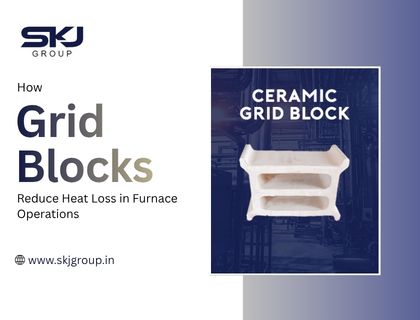
Grid Block in Mandsaur improves furnace heat retention and reduces thermal energy loss. Ceramic Grid Block structures support better airflow and heat distribution inside furnaces. Industries use ceramic grid blocks in furnaces, kilns, regenerators, and thermal processing systems. Reliable ceramic grid block manufacturer companies help industries improve fuel efficiency and reduce maintenance. Advanced ceramic grid systems support long-term operational stability and lower energy costs.
What Are Ceramic Grid Blocks?
Industrial furnaces operate under extremely high temperatures and require stable heat management systems. This is why Grid Block in Mandsaur products are becoming increasingly important in modern furnace operations.
A Ceramic Grid Block is a specially designed heat-resistant ceramic structure used inside industrial furnaces and regenerative thermal systems. These blocks help support heat transfer, improve airflow distribution, and reduce heat loss during high-temperature operations.
According to industrial thermal efficiency studies, optimized furnace insulation and airflow systems can significantly reduce energy consumption while improving heating consistency. This directly affects production quality, operational costs, and equipment lifespan.
Why Heat Loss Is a Major Problem in Furnace Operations
Industrial furnaces consume large amounts of energy. Even small heat losses can increase fuel consumption and reduce operational efficiency.
Common issues caused by heat loss:
- Increased fuel usage
- Uneven heating
- Lower production efficiency
- Higher operating costs
- Reduced furnace lifespan
This is why industries increasingly invest in advanced Ceramic Grid Block systems to improve thermal performance.
How Ceramic Grid Blocks Reduce Heat Loss
The design of ceramic grid blocks helps maintain stable thermal conditions inside industrial furnaces.
Key heat-saving functions include:
- Retaining thermal energy
- Supporting uniform heat flow
- Improving airflow movement
- Reducing thermal leakage
- Stabilizing furnace temperature
Because of these benefits, Grid Block in Mandsaur products are widely used in high-temperature industrial systems.
Role of Ceramic Grid Block in Furnace Heat Distribution
Heat distribution directly affects furnace performance. Uneven heating can damage products and increase operational inefficiencies.
Ceramic grid blocks improve heat distribution by:
- Creating controlled airflow channels
- Supporting balanced temperature zones
- Improving thermal circulation
- Reducing localized overheating
This helps industrial furnaces maintain consistent heating performance across the processing chamber.
How Do Ceramic Grid Blocks Improve Heat Distribution in Furnaces?
Many industrial operators ask: How Do Ceramic Grid Blocks Improve Heat Distribution in Furnaces?
The answer lies in their engineered structure. Grid blocks create open pathways that allow hot gases to circulate evenly throughout the furnace system.
This improves:
- Temperature consistency
- Heat transfer efficiency
- Fuel performance
- Product quality
Because of these advantages, many industries now prefer working with experienced ceramic grid block supplier companies for thermal system upgrades.
Applications of Ceramic Grid Blocks in Industrial Furnaces
Industrial furnaces operate in several sectors that require controlled thermal conditions.
Common applications include:
- Steel manufacturing furnaces
- Ceramic kilns
- Glass production units
- Petrochemical heating systems
- Regenerative thermal oxidizers
The high-temperature durability of Ceramic Grid Block materials makes them suitable for demanding industrial environments.
Grid Block in Mandsaur for Energy-Efficient Furnace Systems
Industries are focusing more on energy efficiency because fuel costs continue to rise globally.
Energy-saving advantages include:
- Reduced fuel consumption
- Improved thermal retention
- Lower operating costs
- Stable furnace performance
Reliable Grid Block in Mandsaur solutions help industries improve long-term energy efficiency without compromising production quality.
Why Ceramic Materials Perform Better in High Temperatures
Ceramic materials are widely preferred in furnace systems because of their thermal stability and resistance to heat damage.
Ceramic advantages include:
- Excellent heat resistance
- Low thermal expansion
- High mechanical strength
- Corrosion resistance
- Long operational life
This is why industries increasingly depend on trusted ceramic grid block manufacturer companies for furnace system reliability.
Benefits of Ceramic Grid Blocks in Regenerative Thermal Systems
Regenerative thermal systems recycle heat to improve operational efficiency.
Ceramic grid blocks help by:
- Storing thermal energy
- Improving heat recovery
- Supporting airflow balance
- Reducing energy waste
These systems are commonly used in large industrial heating operations where energy conservation is important.
Impact of Ceramic Grid Blocks on Fuel Consumption
Fuel costs are one of the biggest expenses in furnace operations.
Ceramic grid blocks reduce fuel consumption through:
- Better heat retention
- Improved airflow efficiency
- Reduced heat escape
- Stable combustion conditions
This allows industries to maintain production efficiency while lowering operational costs.
Applications in Steel and Metal Processing Industries
Steel and metal manufacturing require stable high-temperature environments.
Common applications include:
- Reheating furnaces
- Heat treatment systems
- Metal melting units
- Industrial kilns
The strong thermal resistance of Ceramic Grid Block materials helps these systems operate continuously under extreme heat conditions.
Comparison Table: Ceramic Grid Blocks vs Traditional Furnace Materials
| Feature | Ceramic Grid Block | Traditional Furnace Materials |
| Heat Resistance | Excellent | Moderate |
| Thermal Retention | High | Average |
| Fuel Efficiency | Better | Lower |
| Operational Life | Long | Moderate |
| Heat Distribution | Uniform | Uneven |
| Maintenance Need | Low | Higher |
| Corrosion Resistance | Excellent | Limited |
The table clearly shows why industries increasingly choose ceramic-based thermal systems.
How Ceramic Grid Blocks Improve Furnace Lifespan
Uneven heating and thermal stress can damage furnace structures over time.
Ceramic grid blocks help by:
- Reducing thermal shock
- Supporting balanced heating
- Lowering structural stress
- Improving thermal stability
This improves the operational life of furnace systems and reduces repair frequency.
Why Industries Prefer Ceramic Grid Block Exporter Solutions
Global industries now focus on reliable and durable thermal management systems.
Reasons industries choose ceramic exporters:
- Consistent manufacturing quality
- Advanced heat-resistant materials
- Reliable supply capabilities
- Industrial testing standards
Experienced ceramic grid block exporter companies help industries improve thermal efficiency in large-scale furnace systems.
Grid Block in Mandsaur for Industrial Manufacturing Growth
Mandsaur is becoming an important manufacturing center for industrial ceramic products.
Reasons industries prefer Mandsaur suppliers:
- Strong ceramic manufacturing expertise
- Reliable industrial production
- Advanced furnace material technology
- Growing export capabilities
Many industrial buyers specifically search for Grid Block in Mandsaur because of dependable product quality and technical expertise.
How to Choose the Right Ceramic Grid Block Supplier
Choosing the correct supplier is critical for furnace reliability.
Important supplier qualities include:
- Technical expertise
- Quality certifications
- Heat-resistant material standards
- Manufacturing consistency
- Industrial application support
Trusted ceramic grid block supplier companies usually provide technical guidance based on furnace type and operating conditions.
Case Study: Reduced Heat Loss in a Ceramic Manufacturing Furnace
A ceramic manufacturing plant in Rajasthan experienced high fuel consumption and uneven heat distribution inside its tunnel kiln. The plant also faced rising maintenance costs because of thermal stress damage.c
The company upgraded its furnace system using high-quality Ceramic Grid Block products supplied by an experienced ceramic grid block manufacturer.
Results observed within six months:
- Reduced heat loss
- Improved thermal consistency
- Lower fuel consumption
- Better product quality
- Reduced furnace maintenance
Plant engineers reported improved temperature stability across the furnace chamber, which directly improved production consistency and operational efficiency.
This case demonstrates how advanced ceramic thermal systems can significantly improve industrial furnace performance.
FAQ’s About Ceramic Grid Block
1. What is a Ceramic Grid Block used for?
A Ceramic Grid Block is used in industrial furnaces and thermal systems to improve heat distribution, reduce heat loss, and support efficient airflow.
2. How do ceramic grid blocks reduce heat loss?
They retain thermal energy, improve airflow balance, and reduce thermal leakage inside furnace systems, helping industries save fuel and improve efficiency.
3. Which industries use ceramic grid blocks?
Steel manufacturing, ceramics, petrochemicals, glass production, and thermal processing industries commonly use Grid Block in Mandsaur solutions.
4. Are ceramic grid blocks resistant to high temperatures?
Yes, ceramic grid blocks are specially designed to withstand extremely high industrial furnace temperatures.
5. Why is heat distribution important in furnace operations?
Uniform heat distribution improves production consistency, reduces thermal stress, and increases operational efficiency.
6. How long do ceramic grid blocks last?
High-quality ceramic grid blocks can operate for many years because of their excellent thermal resistance and durability.
7. Do ceramic grid blocks improve fuel efficiency?
Yes, better heat retention and reduced thermal loss help lower overall fuel consumption.
8. What makes ceramic materials suitable for furnaces?
Ceramic materials offer high heat resistance, low thermal expansion, and strong durability under extreme temperatures.
9. How do ceramic grid blocks improve furnace lifespan?
They reduce thermal shock and support stable heating conditions, helping protect furnace structures from heat-related damage.
10. How do I choose the right ceramic grid block supplier?
Choose suppliers with strong technical expertise, quality certifications, and proven industrial manufacturing capabilities.
11. Are ceramic grid blocks environmentally friendly?
Yes, they support energy-efficient operations by reducing fuel waste and improving thermal performance in industrial systems.
Conclusion
Industrial furnaces require efficient thermal management systems to maintain stable heating conditions and reduce operational costs. Heat loss remains one of the biggest challenges in furnace operations because it increases fuel consumption, reduces process efficiency, and creates uneven heating conditions. This is why Grid Block in Mandsaur products are becoming increasingly important in modern industrial systems.
The advanced structure of Ceramic Grid Block materials helps improve heat retention, support balanced airflow, and maintain consistent thermal distribution inside furnaces. Compared to traditional furnace materials, ceramic grid systems provide better thermal stability, longer operational life, and lower maintenance requirements.
Industries such as steel manufacturing, ceramics, petrochemicals, glass production, and thermal processing now rely heavily on advanced ceramic heat management systems to improve operational reliability and reduce energy waste. The growing focus on energy-efficient manufacturing is also increasing the demand for trusted ceramic grid block exporter and ceramic grid block supplier companies.
Businesses looking to improve furnace efficiency and reduce heat loss should work with experienced ceramic grid block manufacturer companies that understand industrial thermal processing requirements and provide reliable ceramic solutions.