The Evolution of Ceramic Tower Packing: Innovations and Applications

SKJ Group: Pioneering Advanced Ceramics for the Future
July 18, 2024
Maximizing Efficiency with High-Tech Ceramic Materials
July 20, 2024
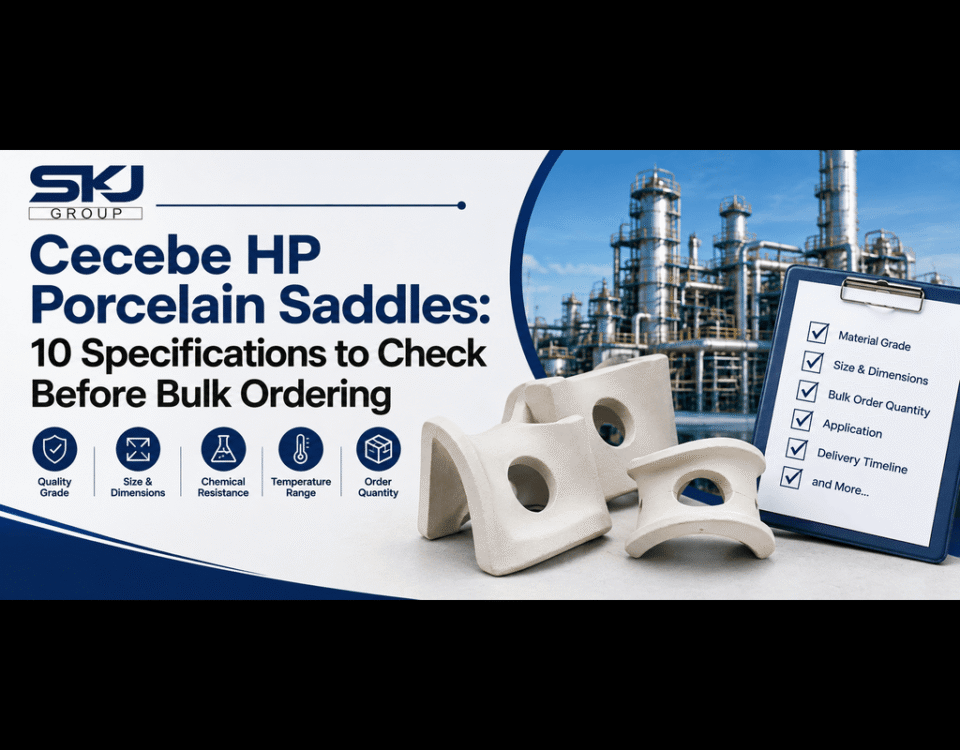
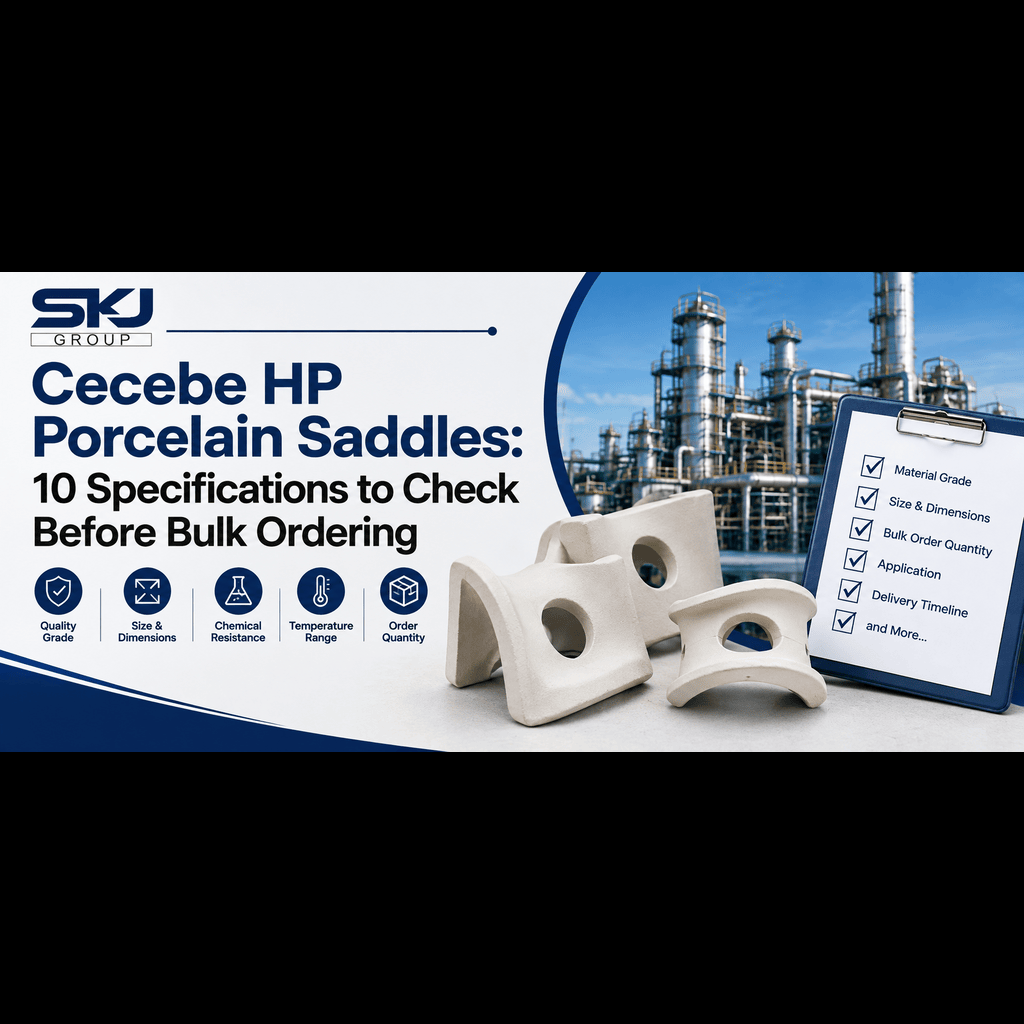
This image showcases advanced ceramic tower packing, engineered for optimal mass transfer and efficient chemical processing. Modern innovations in tower packing enhance fluid distribution, reduce pressure drop, and increase operational longevity, making them essential for industries such as petrochemicals, pharmaceuticals, and water treatment. Choosing high-quality ceramic packing ensures consistent performance, lowers maintenance requirements, and supports sustainable, high-efficiency operations.
Ceramic tower packing has evolved from simple rings into precisely engineered saddle shapes that cut pressure drop and improve mass transfer in modern distillation and absorption columns. Early 20th-century packing used basic shapes that worked, but inefficiently. Today’s designs use curved, open geometry to move far more liquid and gas through the same column volume.
Why Early Packing Designs Fell Short
The earliest ceramic packing was simple: rings and basic saddles dropped into a column to increase contact between gas and liquid. They worked, but pressure drop was high and mass transfer efficiency was modest by today’s standards.
The core problem with early ring designs was nesting. Dropped randomly into a column, straight-sided rings tend to stack inside one another, creating dense pockets that block flow and empty channels elsewhere. The result was uneven performance that engineers compensated for by simply building taller columns, an expensive workaround.
The Shape Change That Solved It
Intalox-style saddles were the first real leap. Their curved shape gave more effective surface area for the same packing volume, while improving how liquid spread across the column instead of channeling down one side. Just as importantly, the curved geometry resists nesting, so a randomly dumped bed distributes far more consistently.
- Larger surface area per unit volume improves mass transfer without adding column height
- Curved geometry reduces channeling compared to flat-sided rings
- Lower pressure drop cuts the energy needed to push gas through
- Better distribution keeps performance consistent across a wider flow range
- Anti-nesting shape means more predictable bed behaviour after installation
Super-grade saddle designs pushed this further, refining curve and wall thickness for additional efficiency without increasing footprint. Modern ceramic saddle ring packing now delivers performance that early ring designs simply could not reach.
Four Generations, One Problem Each Solved
| Generation | Typical Shape | Key Limitation Solved |
| First | Basic rings | Provided contact area, but nested and channeled badly |
| Second | Berl and early saddles | Curved shape reduced nesting |
| Third | Intalox-style saddles | Higher surface area, better liquid spreading |
| Fourth | Super saddle designs | Refined geometry for lower pressure drop |
Each generation solved a specific problem the last one created. That progression is why a column repacked with modern saddles can often outperform its original design without any structural change to the vessel.
Where You’ll Find This Packing Running Today
Distillation: Packing separates mixture components by maximizing contact time and surface area between vapor and liquid inside the column. Refineries in particular value the low pressure drop, since energy cost compounds across tall columns running continuously.
Absorption: Gas streams pass through packed beds where the ceramic surface captures target compounds, using the material’s chemical resistance in harsh environments. Acid gas scrubbing is a common application where plastic packing would degrade.
Chemical processing: Scrubbing, stripping, and drying rely on the same principles, with mechanical strength holding up under continuous demanding use.
Reflux stills: Saddle shapes improve liquid distribution specifically here, which is where curved geometry pays off most over older rings.
If pricing and supplier selection matter as much as the engineering, our guide on what actually drives the cost of ceramic saddles breaks down the factors to check before ordering.
Why Ceramic Hasn’t Been Replaced by Metal or Plastic
Structured metal packing gets more attention in new column design, but ceramic holds a durable advantage in specific conditions:
- Corrosive service. Ceramic resists acids and aggressive chemicals that attack most metals without expensive alloy upgrades.
- High temperature. Plastic packing softens or deforms well below the point where ceramic is affected.
- Cost per unit volume. For large columns in moderate-duty service, ceramic delivers solid performance at a fraction of structured metal cost.
- Fouling tolerance. Random ceramic beds handle streams with suspended solids better than tight structured packing.
The practical answer is that packing choice follows the process, not fashion. Plenty of columns running today would perform worse, not better, if their ceramic packing were swapped for a more expensive alternative.
What This Actually Means for Your Column
Working with an experienced Ceramic Structured Tower Packing manufacturer gives you a few concrete advantages:
- Higher surface area per unit volume often allows a shorter column for the same separation
- Lower pressure drop reduces continuous operating energy cost
- Better liquid distribution keeps performance stable when flow rates vary
- Chemical resistance means less frequent replacement in corrosive service
One step buyers often skip: re-checking the liquid distributor when repacking an old column. A distributor sized for previous packing rarely spreads liquid evenly enough for modern saddle geometry to perform at its rated efficiency, which is why some upgrades underdeliver despite the packing itself being correct.
Frequently Asked Questions
1. What are the main benefits of ceramic saddles in tower packing?
High mass transfer efficiency, low pressure drop, and strong chemical resistance, making them suitable for distillation, absorption, and general chemical processing.
2. How do curved saddle designs improve on ring-shaped packing?
Curved geometry increases usable surface area within the same volume and spreads liquid more evenly, reducing the channeling common with straight-sided rings.
3. What should I consider when selecting ceramic tower packing?
Match the packing to your required mass transfer efficiency, acceptable pressure drop, the chemical environment inside the column, and the mechanical strength your conditions demand.
4. Can ceramic tower packing handle high-temperature processes?
Yes. Ceramic holds up under sustained heat better than most plastic alternatives, which is why it remains standard in high-temperature service.
5. Is ceramic packing still relevant versus newer structured designs?
Yes, particularly in corrosive or high-temperature service where metal or plastic may not hold up. It remains a proven, cost-effective choice for a large share of industrial columns.
6. How often does ceramic tower packing need replacing?
Service life depends on the process, but ceramic packing in non-fouling service commonly runs for many years, with replacement usually driven by fouling or mechanical damage rather than material degradation.
Talk to Our Team
If you’re specifying packing for a new column or replacing aging packing, contact SKJ Group for technical data sheets and guidance on the right configuration for your process.