10 Common Mistakes to Avoid When Selecting Tower Packing for Chemical Processing Plants

Best Tower Packing Materials for Chemical, Fertilizer, Petrochemical, and Refinery Plants
July 19, 2026
What Is the Best Tower Packing Material for Industrial Scrubbers?
July 23, 2026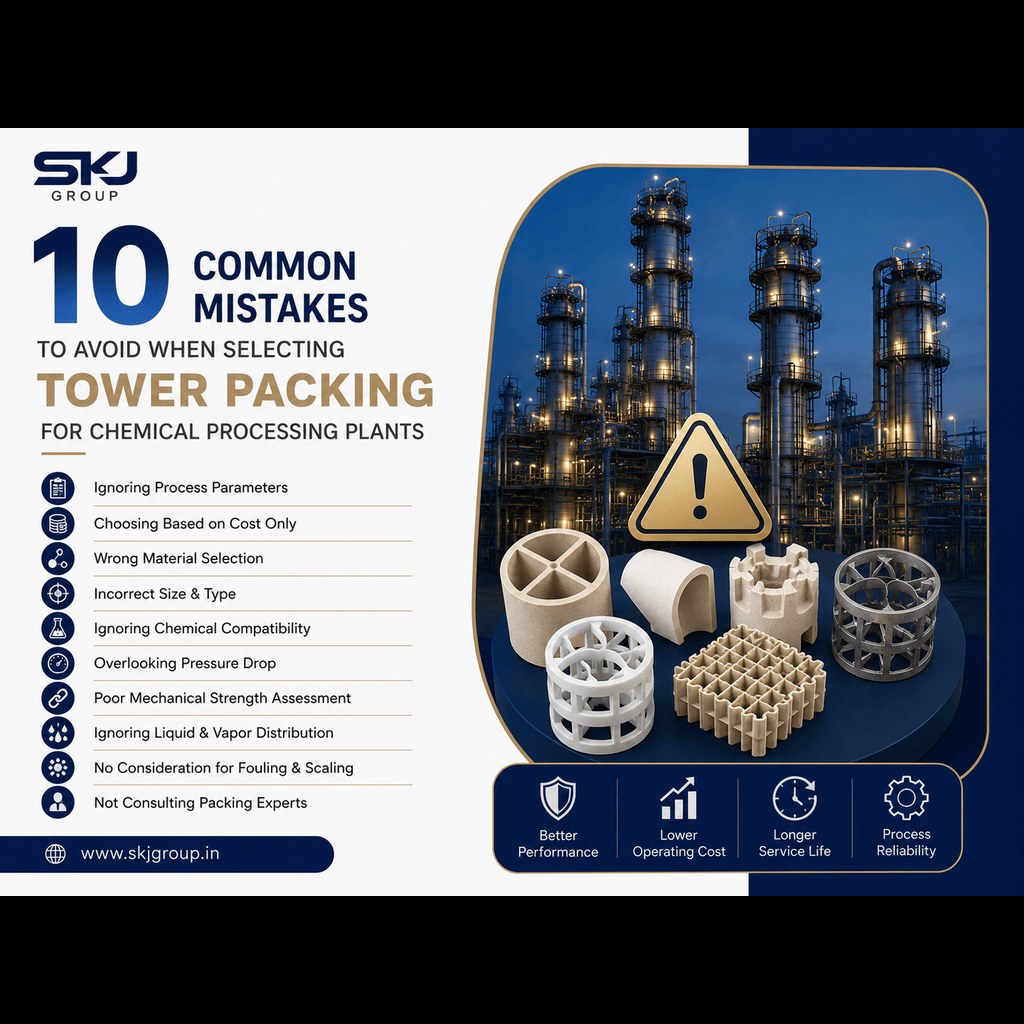
A packed column looks simple from the outside. Inside, though, the packing is doing all the real work, and the moment that selection goes wrong, the column tells on itself fast. Pressure drop climbs, separation efficiency drops, and packing that was supposed to last five years is being pulled out in eighteen months.
The frustrating part is that most of these failures have nothing to do with bad packing. They come from a handful of decisions made before the order was even placed. Here are the ten that trip up plants most often, and what to do instead.
1. Chasing the Lowest Price Tag
It feels like a win on the purchase order and a headache six months later. Cheap packing that degrades fast means more shutdowns, more labour, and more lost production, which almost always costs more than paying a bit extra upfront for something that actually holds up.
2. Treating “Corrosive” as One Category
Not all corrosive service is equal. Packing rated for a dilute acid stream can fail within weeks in a concentrated one, or in the presence of a solvent nobody accounted for. Match the material to the exact concentration and composition of your process fluid, not a general label on a spec sheet.
3. Forgetting What Happens During Startup and Shutdown
Everyone designs for a steady state. Fewer people design for the thermal shock a column goes through during startup, shutdown, or an unplanned upset. Ceramic tower packing shrugs off that kind of cycling. Plastic packing, if it is not rated for the full swing, can soften, crack, or warp exactly when you need it most.
4. Picking a Shape Out of Habit, Not Data
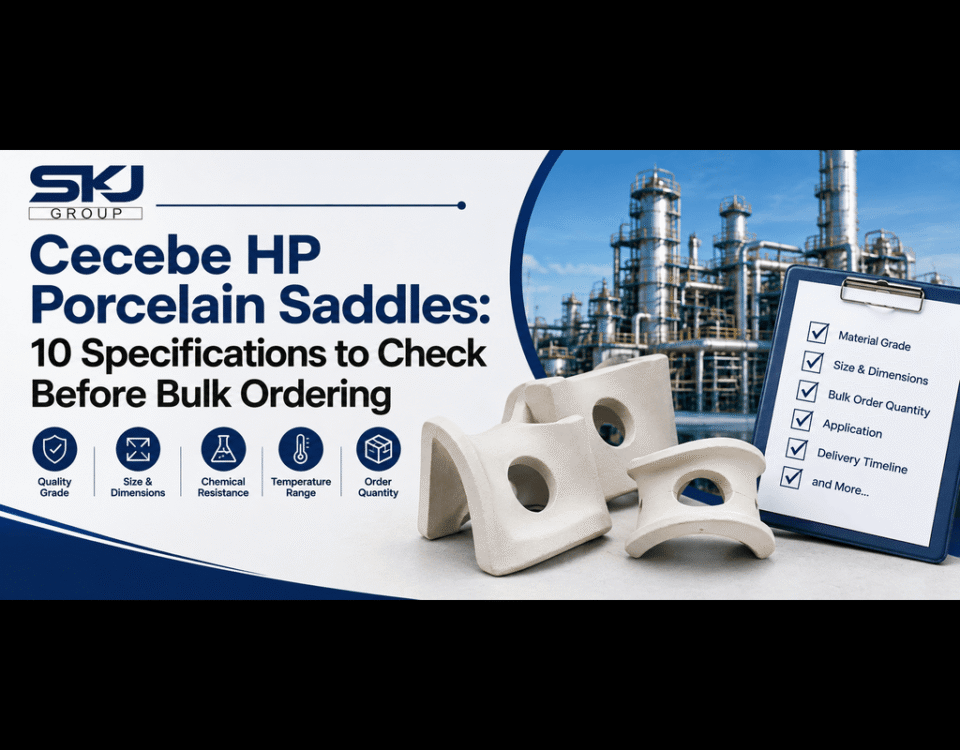
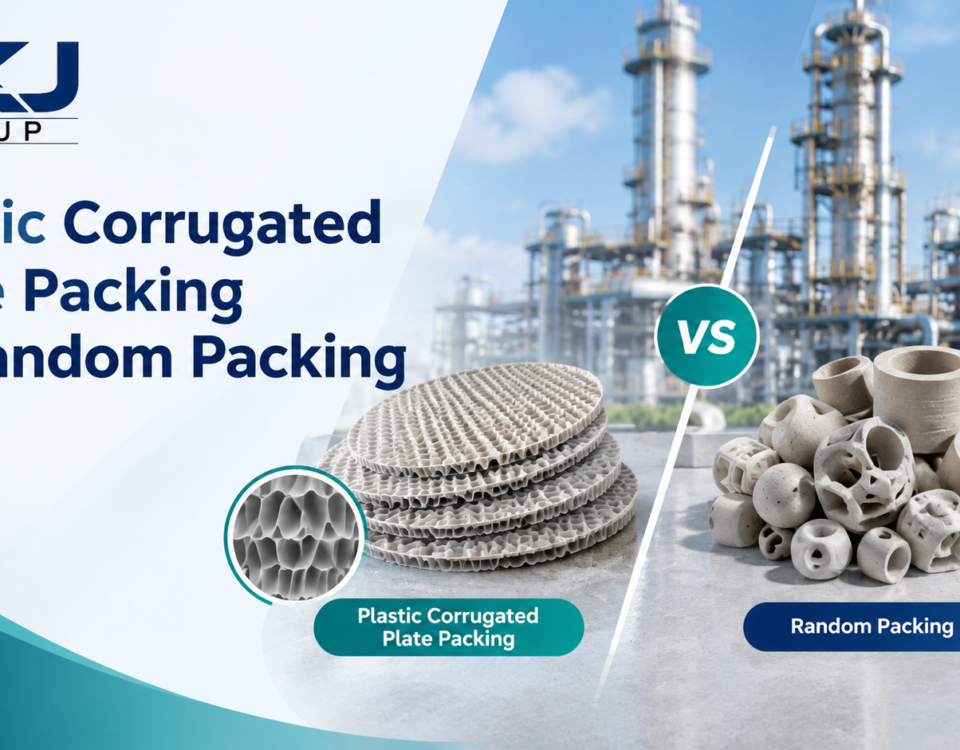
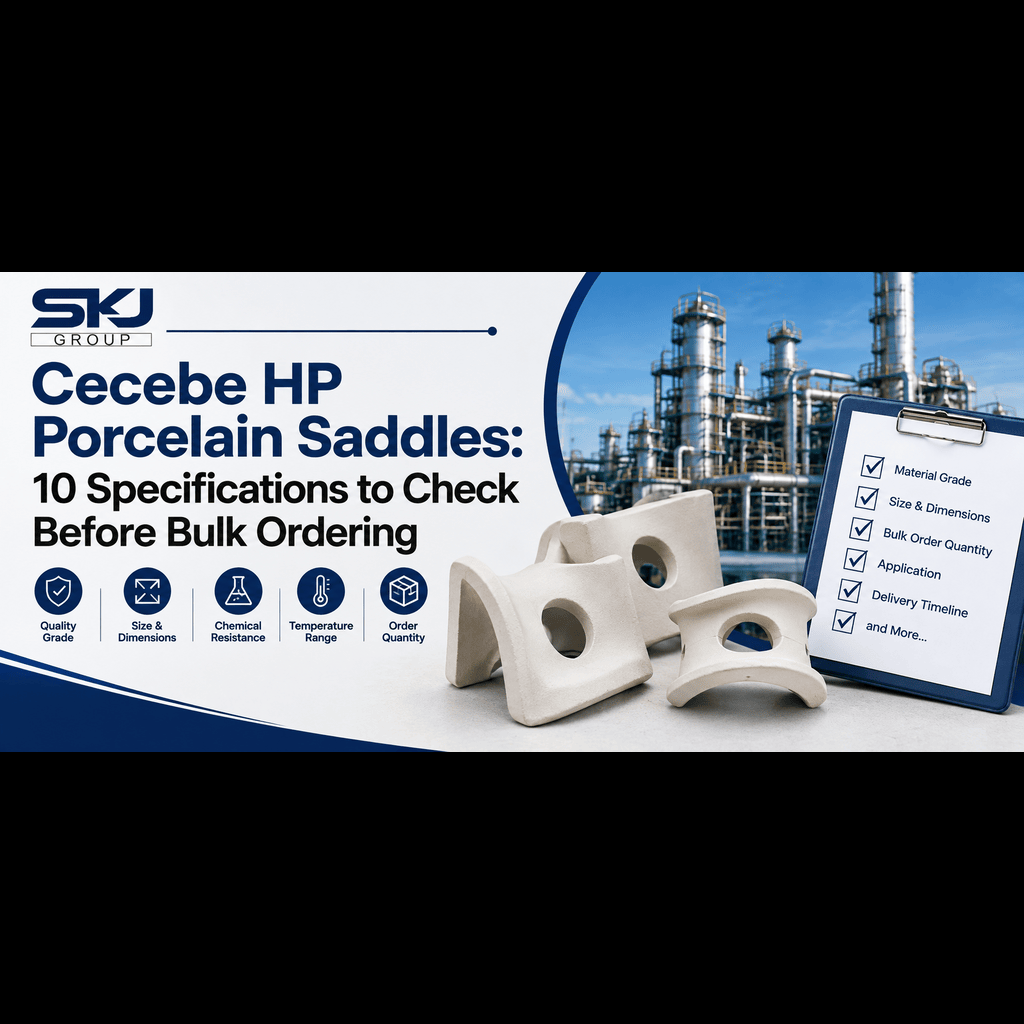
Ceramic saddle packing and ring packing are not interchangeable, even though they often get treated that way. Saddles settle into an open, random bed that keeps pressure drop low under variable flow. Rings carry more mechanical load and suit deeper beds. Structured packing does something different again. Pick based on your actual flow behaviour, not whatever was used the last time someone ordered packing.
- Variable flow, low pressure drop priority → saddles
- Deep bed, higher mechanical load → rings
- Steady flow, high efficiency separation → structured packing
5. Ignoring Crush Strength in Deep Beds
The packing at the bottom of a tall column is carrying the weight of everything above it. If it is not strong enough, it slowly crushes, void space shrinks, and pressure drops creep up without anyone noticing until efficiency has already dropped. Check crush strength against your actual bed depth, not a generic rating.
6. Over-Engineering with Heavy Materials When Lighter Ones Would Do
It is easy to default to the heaviest, most robust looking material out of caution. But in moderate temperature, corrosive service, polypropylene pall rings often perform just as well, install faster, and put far less stress on ageing column supports. Reaching for ceramic every time is not always the safer choice. Sometimes it is just the more expensive one.
7. Skipping Batch Consistency Checks
Two batches of the same packing can behave very differently if firing or moulding quality drifts. Inconsistent dimensions cause channeling, where fluid finds the path of least resistance instead of spreading evenly through the bed. A quick ask for batch testing data before a large order can save a lot of troubleshooting later.
8. Overlooking How the Packing Handles Rough Maintenance
Packing that looks fine on a datasheet can still chip or crack during manual handling at turnaround. If your maintenance team is loading and unloading packing by hand, factor in how well the material survives that kind of handling, not just how it performs once it is sitting in the column.
9. Assuming the Whole Column Needs the Same Material
Some sections of a column run hotter or see harsher chemical exposure than others. Using the most resistant, most expensive material end to end usually means overspending in the mild zones. A mixed approach, tougher packing where conditions demand it and a lighter option where they do not, is often the smarter design.
10. Finalizing the Order Without a Technical Review
A datasheet can tell you dimensions, surface area, and material specifications. What it cannot tell you is how packing will actually behave in your column, at your flow rates, and in your chemical environment. Skipping a conversation with someone who has seen these systems succeed—and fail—is one of the most avoidable mistakes on this list. If you’d like a better sense of how packing geometry affects real-world performance before finalizing your specification, our earlier post on what ceramic saddles are used for is a good place to start.
Before You Place the Order
- Confirm chemical compatibility for your exact concentration, not a general category
- Account for startup and shutdown temperature swings, not just steady state
- Match shape to flow variability, not habit
- Check crush strength against your real bed depth
- Ask for batch consistency data
- Consider whether a mixed material approach across the column makes sense
FAQs
1. What is the most common mistake in tower packing selection?
Choosing based on price alone, without checking whether the material actually matches the chemical concentration and temperature range of the process, causes more failures than any other single decision.
2. Should I use ceramic or plastic packing for my chemical process column?
It comes down to heat and chemical exposure. High temperature or highly corrosive service usually calls for ceramic tower packing, while moderate temperature applications often do just as well with polypropylene at a lower cost.
3. How do I know if I have the right packing shape for my column?
Look at your flow behaviour first. Saddles handle variable flow with low pressure drop, rings carry more mechanical load in deep beds, and structured packing suits steady, high efficiency separation. A review of your actual operating data settles it faster than guessing.
4. Can different packing materials be used in the same column?
Yes, and it is common. Plants often place more resistant material where conditions are harshest and a lighter, more economical option where they are milder, which balances performance against cost.
5. How often should tower packing be inspected or replaced?
Most plants check packing conditions during scheduled turnarounds, roughly every one to three years, though this depends heavily on process severity and how well the original material was matched to the job.
Final Thoughts
Packing failures rarely start with the material itself. They start with a decision made too quickly, without weighing chemical exposure, temperature swings, flow behaviour, or mechanical load properly. Avoid these ten mistakes and your column will run the way it is supposed to, with far fewer surprises along the way.
If you are reviewing packing for a new column or trying to figure out why an existing one is underperforming, our team at SKJ Group can walk through the technical details with you before you commit to an order. Contact us today to get guidance suited to your specific plant.