Tower Ceramic Structured Packing for Chemical Process Columns: Complete Industrial Guide

Metal Wire Gauze Structured Packing for Precision Separation: Complete Industrial Guide
January 24, 2026
Industrial and Commercial Construction Applications of Premium Plywood
February 2, 2026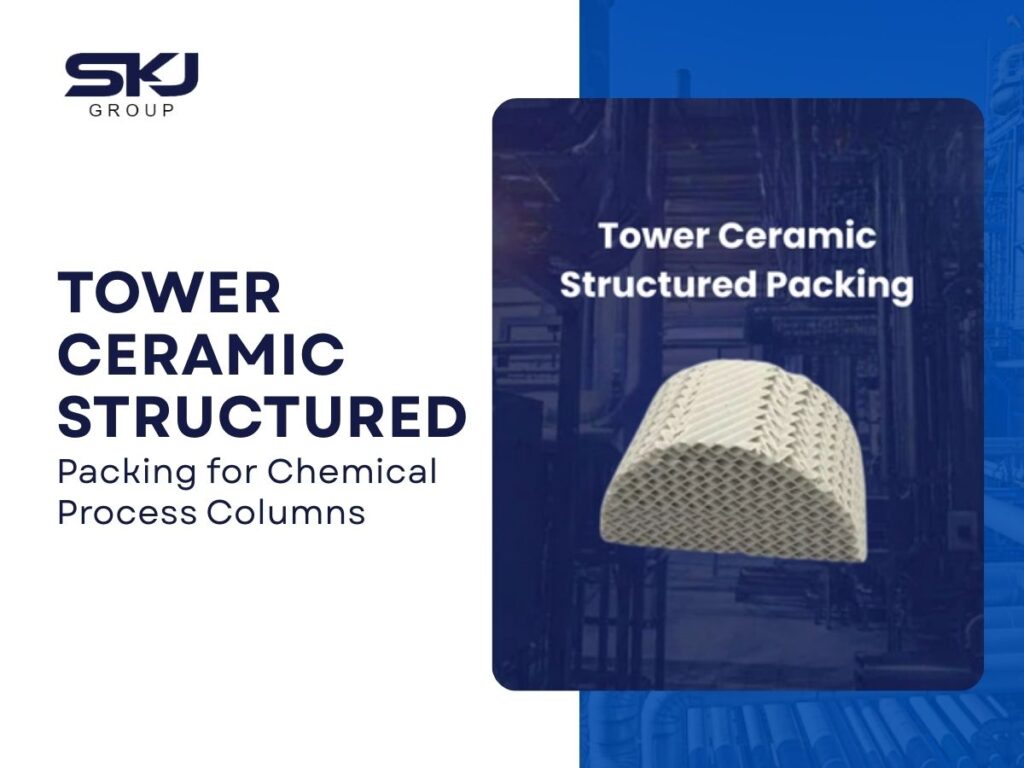
A specialty chemical manufacturer in Gujarat achieved 97.5% separation efficiency in their sulfuric acid concentration column after implementing tower ceramic structured packing in 2024. This case study demonstrates how advanced ceramic structured packing technology delivers superior performance in highly corrosive environments where metallic alternatives fail within months.
Chemical process industries face increasing challenges from aggressive chemicals, high temperatures, and demanding separation requirements. Tower ceramic structured packing has emerged as the solution of choice for applications where corrosion resistance, thermal stability, and consistent performance are critical.
This comprehensive guide explores how tower ceramic structured packing for distillation columns provides exceptional mass transfer efficiency, outstanding corrosion resistance, and long-term reliability. Understanding the capabilities of this ceramic mass transfer packing technology enables informed decisions for optimizing your most challenging separation processes.
What is Tower Ceramic Structured Packing?
Tower ceramic structured packing consists of precisely manufactured ceramic elements arranged in geometric patterns within distillation, absorption, or stripping columns. The structured design creates defined flow channels that maximize vapor-liquid contact while maintaining low pressure drop characteristics.
Unlike metallic structured packing, ceramic tower internals offer complete immunity to corrosion from acids, alkalis, organic solvents, and oxidizing agents. This chemical inertness extends service life to 15-25 years in environments that would destroy metal packing in months.
The structured ceramic column packing design combines the efficiency advantages of structured geometry with the durability benefits of ceramic materials. This combination delivers reliable performance in the most demanding chemical processing applications.
Key Properties of High Efficiency Ceramic Packing
1. Exceptional Corrosion Resistance
Corrosion resistant ceramic structured packing for towers withstands virtually all industrial chemicals without degradation. The ceramic material demonstrates complete resistance to:
- Strong acids including sulfuric, nitric, hydrochloric, and phosphoric
- Caustic solutions and alkaline environments
- Chlorinated solvents and organic chemicals
- Oxidizing agents and bleaching compounds
- High-temperature corrosive gas streams
This universal chemical resistance eliminates material selection concerns and ensures consistent long-term performance across diverse applications.
2. Superior Thermal Stability
High efficiency ceramic packing maintains structural integrity and performance characteristics at temperatures exceeding 1000°C. This thermal stability enables applications in high-temperature distillation and absorption processes impossible with metallic or plastic alternatives.
The ceramic material’s low thermal expansion coefficient prevents cracking during thermal cycling. This durability ensures reliable operation through repeated startup, shutdown, and upset conditions.
3. Excellent Mass Transfer Performance
Ceramic mass transfer packing achieves mass transfer efficiencies comparable to metallic structured packing while offering superior chemical resistance. Key performance characteristics include:
- Specific surface areas ranging from 200 to 500 m²/m³
- Theoretical stage efficiencies exceeding 90% in properly designed systems
- Low pressure drop characteristics reducing energy consumption
- Uniform liquid distribution through precisely controlled geometry
4. Physical and Mechanical Properties
Quality ceramic structured packing demonstrates essential physical characteristics:
- Material composition: High-purity alumina, stoneware, or specialized ceramics
- Bulk density: 400-600 kg/m³ depending on geometry
- Porosity: Controlled at 20-35% for optimal wetting
- Crush strength: Sufficient to support bed weight in tall columns
- Surface finish: Glazed or unglazed based on application requirements
Applications of Ceramic Structured Column Packing
1. Sulfuric Acid Concentration
Distillation tower ceramic packing excels in sulfuric acid concentration columns operating at temperatures up to 300°C and acid concentrations exceeding 95%. The ceramic material withstands the extremely corrosive conditions while maintaining separation efficiency.
Applications include spent acid recovery, oleum production, and industrial acid concentration systems. The long service life of ceramic tower internals reduces maintenance frequency and minimizes hazardous material handling during replacements.
2. Hydrochloric Acid Recovery
Absorption tower ceramic packing effectively recovers hydrochloric acid from gas streams in pickling operations, chlorinated organic production, and other industrial processes. The ceramic material resists acid attack while providing efficient gas-liquid contact.
The temperature resistance enables handling of hot gas streams directly from reactors without intermediate cooling. This capability simplifies system design and reduces capital costs.
3. Nitric Acid Production and Recovery
Tower ceramic structured packing for distillation columns serves critical roles in nitric acid manufacturing and spent acid recovery systems. The oxidizing environment and elevated temperatures exceed the capabilities of most metallic materials.
The ceramic packing maintains performance through thousands of cycles without efficiency degradation. This reliability ensures consistent product quality and minimizes unplanned shutdowns.
4. Caustic Concentration and Purification
High efficiency ceramic structured packing for absorption towers handles sodium hydroxide and potassium hydroxide concentration at elevated temperatures. The alkaline resistance of ceramic materials prevents the stress corrosion cracking common in metallic alternatives.
Applications include chlor-alkali production, pulp and paper processing, and specialty chemical manufacturing requiring high-purity caustic solutions.
5. Chlorinated Solvent Processing
Industrial ceramic structured packing for chemical processing resists attack from chlorinated solvents including methylene chloride, chloroform, and perchloroethylene. These aggressive solvents rapidly corrode stainless steel and other common column materials.
The ceramic packing enables efficient separation and purification of chlorinated organics in pharmaceutical, agrochemical, and specialty chemical production.
6. High-Temperature Distillation
Ceramic structured column packing for mass transfer operations performs reliably in high-temperature applications including:
- Glycol purification at temperatures exceeding 200°C
- High-boiling solvent recovery systems
- Polymer processing and purification
- Petroleum refining specialty applications
- Inorganic chemical production
Technical Specifications and Design Parameters
1. Packing Geometry and Surface Area
Structured packing for separation processes is available in various geometric configurations optimized for different operating requirements:
- Low surface area (200-250 m²/m³): Provides high capacity with moderate separation efficiency. Suitable for applications prioritizing throughput over theoretical stages.
- Medium surface area (300-350 m²/m³): Balances capacity and efficiency for general applications. Most common configuration for industrial installations.
- High surface area (400-500 m²/m³): Maximizes theoretical stages for difficult separations requiring high purity. Accepts higher pressure drop for enhanced performance.
2. Element Dimensions and Installation
Ceramic packing for chemical columns is manufactured in standard elements typically 150-200mm in height and designed to fit column diameters from 300mm to several meters. Multiple elements stack vertically to achieve required separation performance.
Installation considerations include:
- Support grids capable of handling ceramic weight (400-600 kg/m³)
- Hold-down plates preventing packing lift during high vapor rates
- Liquid distributors ensuring uniform wetting across column cross-section
- Element alignment maintaining proper vapor-liquid flow patterns
3. Hydraulic Capacity and Pressure Drop
The hydraulic capacity of industrial ceramic packing materials depends on geometry, surface area, and operating conditions. Typical C-factors range from 0.25 to 0.40, indicating capacity relative to column diameter and fluid properties.
Pressure drop characteristics typically range from 2 to 5 m bar per theoretical stage, depending on surface area and operating rates. This low pressure drop reduces energy consumption in reboilers and overhead systems.
4. Material Selection and Grades
Tower ceramic structured packing manufacturer facilities produce packing in various ceramic compositions:
- High-alumina ceramics: Maximum temperature resistance (up to 1200°C) and excellent chemical resistance for extreme applications.
- Stoneware ceramics: Cost-effective solution for moderate temperature applications (up to 400°C) with good acid and alkali resistance.
- Specialized ceramics: Custom formulations for specific chemical resistance or thermal requirements.
SJK India: Leading Tower Ceramic Structured Packing Manufacturer
As a premier tower ceramic structured packing manufacturer in India, SJK India produces high-performance ceramic internals meeting international quality standards. Our advanced manufacturing facilities employ precision molding and controlled firing processes ensuring consistent geometry and properties.
Our comprehensive role as a tower ceramic structured packing supplier extends beyond product delivery to include application engineering, column design support, and installation supervision. We collaborate closely with clients to optimize ceramic tower internals for their specific process requirements.
Operating as a global tower ceramic structured packing exporter, SJK India serves diverse industries including:
- Sulfuric acid production and concentration
- Hydrochloric acid recovery systems
- Nitric acid manufacturing
- Caustic concentration plants
- Specialty chemical processing
- Pharmaceutical manufacturing
- Petrochemical refining
Installation and Operational Guidelines
1. Pre-Installation Inspection
Careful inspection of ceramic structured packing before installation prevents damage and ensures optimal performance:
- Visual examination for cracks, chips, or damage from shipping
- Dimensional verification confirming proper fit in column
- Surface finish inspection for glazing defects or contamination
- Quantity verification matching design specifications
2. Proper Installation Procedures
Successful distillation tower ceramic packing installation requires systematic procedures:
- Support grid preparation: Verify levelness within 2mm per meter and proper support beam spacing. Inadequate support causes uneven loading and potential packing failure.
- Element placement: Handle ceramic elements carefully to prevent chipping or cracking. Place elements with proper orientation maintaining alternating corrugation angles between layers.
- Alignment verification: Ensure vertical alignment of element patterns promoting proper vapor-liquid distribution throughout the packed bed.
3. Startup and Commissioning
Initial operation of absorption tower ceramic packing follows systematic procedures:
- Gradual heat-up at 50-100°C per hour prevents thermal shock
- Initial wetting at reduced rates ensures complete liquid distribution
- Stepwise increases in vapor loading verify hydraulic stability
- Performance testing confirms achievement of design separation objectives
4. Maintenance and Inspection
Ceramic mass transfer packing requires minimal maintenance but benefits from periodic inspection:
- Annual shutdown inspections assess packing condition and identify potential issues
- Cleaning procedures remove fouling or scale accumulation using appropriate chemical solutions
- Pressure drop monitoring detects gradual changes indicating fouling or liquid maldistribution
- Temperature profile analysis verifies proper operation and separation efficiency
Advantages Over Alternative Packing Technologies
1. Comparison with Metallic Structured Packing
Corrosion resistant ceramic structured packing for towers offers compelling advantages in aggressive chemical service:
- Complete corrosion immunity versus limited chemical resistance
- 15-25 year service life versus 3-5 years for metallic alternatives
- No material selection concerns across chemical systems
- Elimination of corrosion product contamination in products
- Reduced maintenance frequency and replacement costs
2. Comparison with Ceramic Random Packing
While ceramic random packing costs less initially, structured ceramic column packing delivers superior performance:
- 50-100% higher mass transfer efficiency per unit height
- Predictable hydraulic and separation performance
- Better liquid distribution in large-diameter columns
- Lower pressure drop at equivalent separation duty
- Easier installation and future replacement
3. Lifecycle Cost Analysis
Initial capital costs for high efficiency ceramic structured packing for absorption towers exceed metallic and random packing alternatives. However, lifecycle cost analysis demonstrates compelling economic advantages:
- Extended service life (15-25 years) reduces replacement frequency
- Elimination of emergency shutdowns from corrosion failures
- Lower maintenance costs from reduced inspection requirements
- Energy savings from improved separation efficiency
- Product quality improvements from contamination elimination
Quality Assurance and Performance Standards
1. Manufacturing Quality Control
SJK India manufactures industrial ceramic structured packing for chemical processing according to rigorous quality standards:
- Raw material testing verifying chemical composition and purity
- Dimensional inspection ensuring geometry meets specifications
- Firing process control maintaining proper ceramic properties
- Pressure testing confirming mechanical strength
- Surface quality inspection verifying finish requirements
2. Performance Testing and Validation
Comprehensive testing validates ceramic structured column packing for mass transfer operations performance:
- Pressure drop characterization across operating range
- Hydraulic capacity testing determining flood point
- Mass transfer efficiency evaluation using standard test systems
- Wetting characteristics analysis ensuring uniform liquid distribution
3. Certifications and Standards
Ceramic packing for chemical columns from SJK India meets international standards:
- ISO 9001 quality management certification
- Material composition certifications
- Performance guarantee documentation
- Installation and operation manuals
- Technical support and troubleshooting assistance
FAQ’s About Tower Ceramic Structured Packing
1. What makes ceramic structured packing ideal for corrosive chemical applications?
Tower ceramic structured packing offers complete immunity to acids, alkalis, and solvents, delivering 15-25 year service life in environments destroying metallic alternatives.
2. How does ceramic packing performance compare to metallic structured packing?
Ceramic mass transfer packing achieves 90%+ stage efficiency comparable to metallic packing while offering superior corrosion resistance and thermal stability.
3. Can ceramic structured packing handle high-temperature distillation processes?
Yes, high efficiency ceramic packing withstands temperatures exceeding 1000°C, enabling applications impossible with metallic or plastic column internals.
4. What is the typical service life of ceramic structured packing?
With proper installation and operation, ceramic tower internals deliver 15-25 years of reliable service in corrosive chemical applications.
5. How do you clean fouled ceramic structured packing effectively?
Chemical cleaning with appropriate solvents or acid/alkali solutions removes fouling while the ceramic material resists chemical attack during cleaning procedures.
6. What are the limitations of ceramic structured packing compared to metal?
Ceramic structured packing has lower impact resistance requiring careful handling during installation and higher initial cost offset by extended service life.
7. How do you select the right ceramic packing for applications?
Consider chemical compatibility, temperature requirements, separation difficulty, pressure drop constraints, and mechanical loading when selecting structured packing for separation processes.
8. What installation precautions prevent ceramic packing damage during startup?
Gradual thermal ramp-up (50-100°C/hour), careful handling avoiding impact, and proper support grid design prevent damage to distillation tower ceramic packing.
Conclusion: Partner with SJK India for Superior Corrosion-Resistant Solutions
Tower ceramic structured packing for chemical process columns represents the most reliable solution for aggressive chemical environments demanding long-term performance and minimal maintenance. The combination of complete corrosion resistance, thermal stability, and efficient mass transfer makes this technology essential for critical separation applications.
As chemical processing requirements become more demanding and lifecycle costs increasingly important, investing in premium ceramic structured column packing ensures operational reliability while minimizing total cost of ownership.
Contact SJK India
Connect with Our Tower Ceramic Structured Packing Experts
Looking for corrosion-resistant separation solutions? Our technical specialists are ready to help you optimize your chemical process columns.