Coal-Based Activated Carbon Price in India: What Determines Cost for Industrial Buyers?

Get an Export Quote from a Ceramic Saddles Manufacturer: International Buyer’s Checklist
August 25, 2026
Ceramic Super Intalox Saddles vs Ceramic Saddles: Which Should You Choose?
September 10, 2026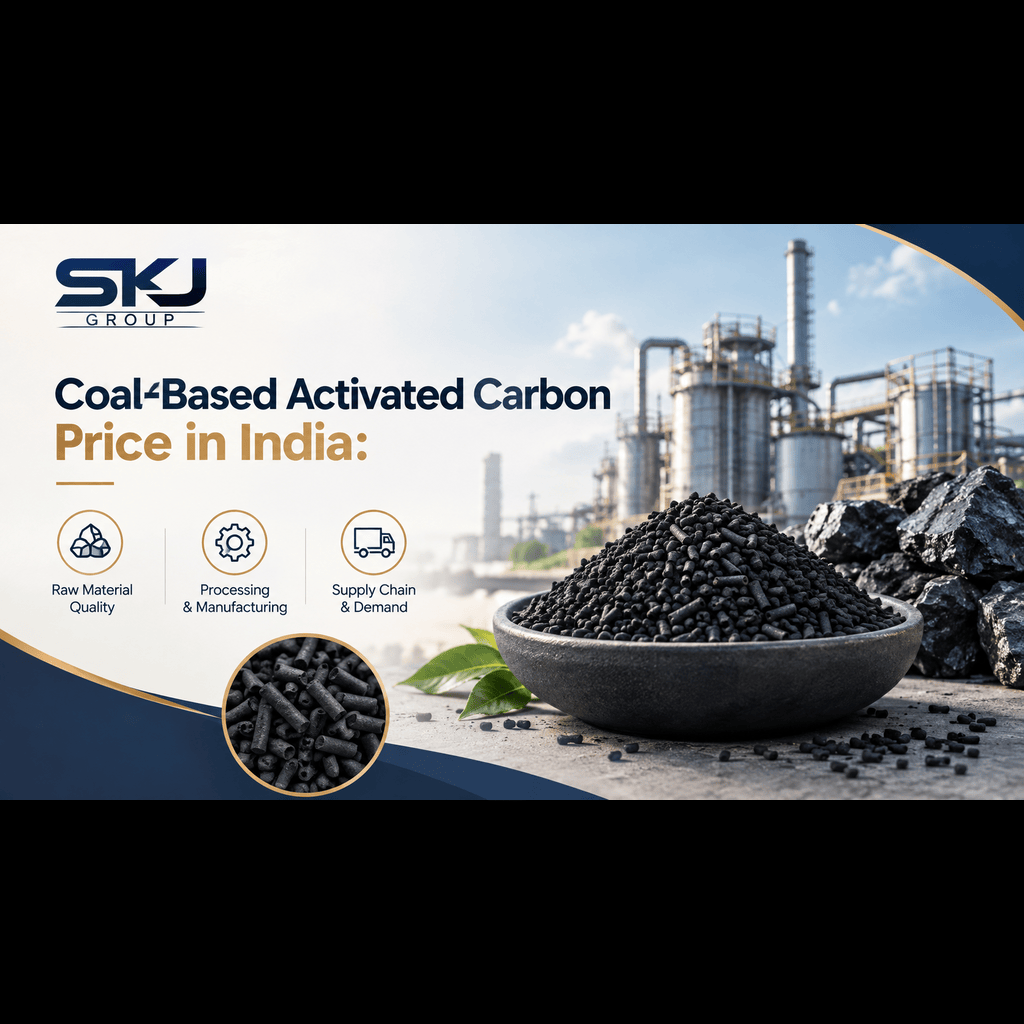
Coal-based activated carbon price in India usually falls between a wide range per kilogram, and the exact number depends on iodine value, mesh size, ash content, and order quantity. There is no single fixed rate because every batch is made for a different purpose, from drinking water polishing to solvent recovery. If you understand the five or six factors that actually move the price, you can compare quotations properly instead of just picking the lowest number on a sheet.
This guide breaks down those cost drivers in plain language, so procurement teams and plant engineers know exactly what to ask Pellets activated carbon manufacturers before signing a purchase order.
Why Coal-Based Activated Carbon Doesn’t Have One Standard Price
Activated carbon is not a commodity like cement or steel where one grade fits every buyer. It is engineered for a specific job. A carbon meant for gold recovery needs a different iodine number than one meant for air filtration in a paint booth. So when someone asks about the activated carbon price per kg, the honest answer is: it depends on what you’re removing, from what stream, and how much of it.
Quick pointers on why prices vary so widely:
- Different raw coal sources (bituminous, sub-bituminous, lignite) carry different base costs
- Activation method (steam activation vs chemical activation) changes processing cost
- Higher adsorption performance almost always means a higher price tag
- Domestic vs imported carbon changes logistics and duty costs significantly
The Core Factors That Determine Cost
1. Raw Material Grade
The type of coal used as feedstock is the starting point of the cost structure. Bituminous coal produces a harder, more durable carbon with better pore structure, and it typically costs more than lower-grade coal sources. Buyers chasing the cheapest possible rate often end up with softer carbon that breaks down faster in service, which increases replacement frequency and quietly raises the real cost per year.
2. Iodine Number and Adsorption Capacity
Iodine value is one of the most common specifications used to judge activated carbon quality, and it has a direct relationship with price. A carbon rated at 900 mg/g will usually cost noticeably more than one rated at 600 mg/g, simply because it takes more processing time and tighter quality control to reach that adsorption capacity. For applications like solvent recovery or high-purity gas treatment, paying for the higher iodine number is often worth it, since a weaker carbon exhausts faster and needs replacing sooner.
3. Mesh Size and Particle Form
Granular, powdered, and pelletized forms are priced differently because each requires a different manufacturing process. Finer mesh sizes generally cost more per kilogram due to tighter screening and processing requirements. If your application calls for pellets activated carbon rather than loose granules, expect the price to reflect the extra extrusion and sizing steps involved in producing a uniform, cylindrical pellet.
4. Ash Content and Hardness
Ash content affects both performance and price. Lower ash carbon generally costs more because it demands cleaner raw material and more careful processing. Hardness matters too, since a harder carbon resists attrition during handling and backwashing, which reduces dusting and carbon loss over the life of the filter bed. Buyers sometimes overlook hardness on a spec sheet, then wonder why their carbon consumption is higher than expected.
5. Impregnation and Special Treatment
Standard coal-based carbon is priced lower than impregnated or specially treated variants. Carbon that has been chemically treated to target specific contaminants, such as hydrogen sulfide or ammonia, costs more because of the additional processing step. If your process only needs general purification, a standard grade will save money. If you need targeted gas removal, the premium is usually justified.
Pointers on treatment-related cost additions:
- Acid washing adds cost but reduces ash and improves purity
- Chemical impregnation (for H2S, NH3 removal) raises price per kg
- Steam-activated carbon sits mid-range compared to chemically activated grades
- Custom impregnation for niche applications carries the highest premium
6. Order Volume and Packaging
Bulk orders bring the industrial activated carbon cost down because manufacturing, quality testing, and logistics costs get spread across a larger batch. Small trial orders almost always carry a premium. Packaging also plays a role. Standard 25 kg bags cost less to prepare than jumbo bags or custom moisture-barrier packaging requested for export shipments.
7. Freight, Location, and Market Conditions
Since raw coal and finished carbon are heavy to transport, freight from the manufacturing unit to your plant adds a real cost, especially for buyers located far from major industrial belts. Global coal prices, monsoon-related logistics delays, and seasonal demand from water treatment plants can also push rates up or down over a few months. This is why a quote from three months ago may not match today’s number.
How Buyers Can Get a Fair Price
- Share your exact application (water, gas, or solvent treatment) so the supplier quotes the right grade, not an oversized or undersized one
- Ask for the iodine number, ash content, and hardness on the test certificate, not just the price
- Compare landed cost, including freight and packaging, not just the ex-factory rate
- Request a small trial batch before committing to bulk volumes if you’re switching suppliers
- Clarify whether the quote is for coal based activated carbon in granular form or another particle size, since mixing this up leads to mismatched quotations
A Word on Value vs. Cheapest Price
The lowest quote on paper is not always the lowest cost in practice. A carbon with weaker hardness or lower iodine value may need replacing twice as often, which erases any upfront savings within a year. Plant engineers who track total cost of ownership, rather than just the per-kg figure, usually end up choosing a mid-to-premium grade carbon and saving money over the filter bed’s full working life.
If you’ve already compared activated carbon types for your treatment system, our earlier post on which activated carbon works best for industrial water treatment and VOC removal walks through how to match carbon type to contaminant, which is a useful step before you start requesting quotations.
At SKJ Group, pricing is built around the actual application rather than a flat rate card. As one of the established Pellets activated carbon suppliers working directly with plant operators, we help buyers match iodine value, mesh size, and packaging to their process before a single quotation goes out, so the number you receive reflects what your plant genuinely needs.
Frequently Asked Questions
1. What is the price of coal-based activated carbon per kg in India?
There is no single fixed price, since it depends on iodine value, mesh size, ash content, and order volume. General-purpose grades used for water and air filtration are priced lower, while high-iodine or impregnated grades cost more. The most reliable way to know your number is to get a quote based on your exact application.
2. Why do activated carbon prices differ between suppliers for the same specification?
Differences usually come from raw coal source, activation method, quality control standards, and freight distance. Two suppliers quoting the same iodine number may still differ in ash content or hardness, which affects real performance and long-term cost.
3. Which is cheaper: coal-based activated carbon or coconut shell activated carbon?
It depends on the grade being compared. Coal-based carbon is generally more economical for large-volume industrial filtration, while coconut shell carbon is often chosen for applications needing higher hardness and micro-porosity, which can carry a different price point.
4. Does buying activated carbon in bulk actually reduce the cost?
Yes, bulk orders spread manufacturing, testing, and logistics costs across a larger volume, which typically lowers the per-kilogram rate compared to small trial quantities.
5. What iodine value should I ask for when comparing activated carbon quotes?
It depends on your application. Water treatment typically works well with 500 to 700 mg/g, while solvent recovery or high-purity gas treatment often needs 900 mg/g or higher. Always match the iodine number to your contaminant load rather than picking the highest number available.
6. How often should industrial activated carbon be replaced, and does that affect total cost?
Replacement frequency depends on contaminant load, carbon grade, and hardness. A carbon with better hardness and adsorption capacity often lasts longer between change-outs, which lowers the total cost even if the initial price per kg is higher.
7. Does GST or import duty affect activated carbon pricing in India?
Yes, taxation and, for imported grades, customs duty are added on top of the ex-factory price, so landed cost can differ from the quoted base rate. It’s worth asking suppliers to break this out separately so you’re comparing like-for-like figures.
Get a Quote That Matches Your Process
Pricing should never be guesswork, especially when it affects your plant’s uptime and filtration quality. If you’re evaluating suppliers, reach out to our team and we’ll walk you through specifications and costs based on your exact application.
Whether you’re sourcing within India or shipping overseas, SKJ Group works as one of the trusted Pellets activated carbon exporters ready to get you the right grade at a fair, transparent price. Contact us today for a detailed quotation.